
In today’s digital banking world, UPI and online transfers are common, yet cheques are still widely used — especially in business payments, rent, security deposits, property deals, school fees, and corporate transactions.
However, one serious banking problem many people face is check bounce (also called cheque dishonour). Many individuals do not understand its impact until they receive a bank message or a legal notice.
A bounced cheque is not just a small banking mistake. It can lead to penalties, damaged credit reputation, legal cases, and even court proceedings.
This article explains everything in simple language — what a cheque bounce is, why it happens, charges, legal consequences, and most importantly, how you can prevent it permanently.
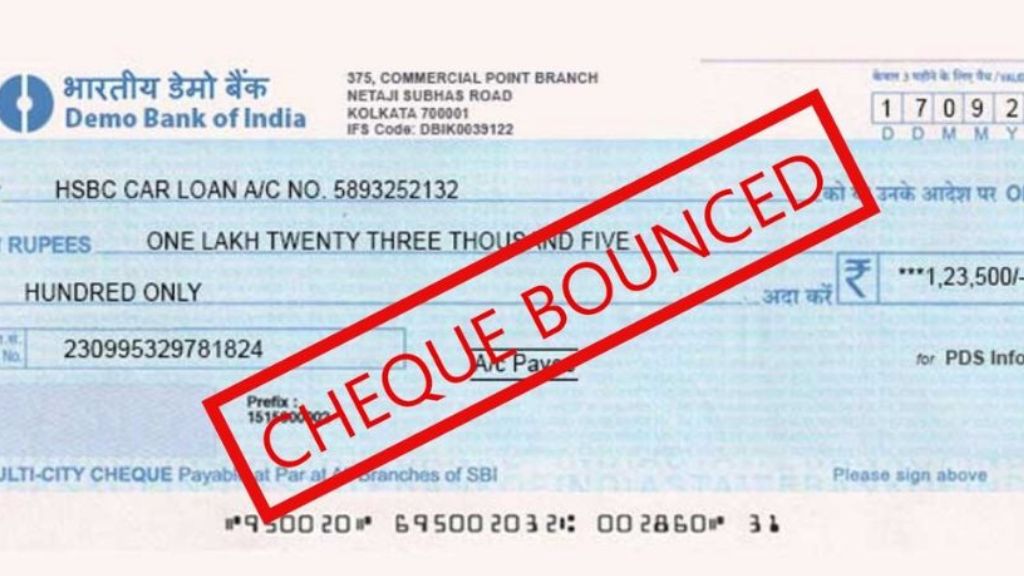
What is Check Bounce? (Cheque Dishonour Meaning)
A check bounce happens when a bank refuses to process a cheque presented for payment.
In simple words:
When the person who issued the cheque does not have sufficient money or the cheque has an error, the bank returns the cheque unpaid. This is called a bounced cheque.
The bank marks the cheque as “Dishonoured” and returns it to the receiver along with a “Cheque Return Memo” mentioning the reason.
Common Reasons for Cheque Bounce
Many people think cheque bounce happens only due to low balance. That is not true. There are multiple possible causes.
1. Insufficient Funds (Most Common)
If the account balance is lower than the cheque amount, the bank rejects the payment.
Example:
Cheque amount: ₹50,000
Account balance: ₹18,000
→ Cheque will bounce.
2. Signature Mismatch
If your signature on the cheque does not match the signature registered in the bank records, the cheque will be dishonoured.
This often happens when:
- You change your signature
- You sign in hurry
- Joint account holders sign incorrectly
3. Overwriting or Alteration
Banks are very strict about cheque corrections. If there is:
- Cutting
- Ink change
- Amount correction
- Date overwritten
The cheque is rejected.
4. Post-Dated Cheque Presented Early
If a cheque dated 20 March is deposited on 15 March, the bank will not process it.
5. Expired Cheque (Stale Cheque)
In most banks, a cheque is valid only for 3 months from the date written on it. After that, it automatically becomes invalid.
6. Closed Bank Account
If the cheque issuer closes the account before the cheque is presented, it will definitely bounce.
This is considered a serious offence in financial transactions.
7. Incorrect Details
Wrong:
- Date
- Amount in words mismatch
- Payee name
- Account number
can cause rejection.
8. Payment Stopped by Drawer
The issuer can instruct the bank to “Stop Payment.”
Even then, the cheque is marked bounced.
Cheque Bounce Charges (Bank Penalty Fees)
When a cheque bounces, both parties may face charges.
Charges for Cheque Issuer (Drawer)
The person who issued the cheque pays penalty.
Typical range:
₹150 to ₹750 per cheque (depends on bank)
Some private banks may charge even more.
Charges for Cheque Receiver (Payee)
Yes — even the person who deposits the cheque may also be charged:
₹100 to ₹300 return fee
This surprises many people.
Legal Consequences of Cheque Bounce
This is the most important part many people ignore.
A cheque bounce is not just a bank issue. It is a legal matter.
Under financial law provisions, issuing a cheque without sufficient funds can result in legal action.
What the receiver can do:
- Send legal notice within 30 days
- Demand payment within 15 days
- If unpaid — file court case
Possible Punishment
If proven intentionally dishonest:
• Fine (can be double the cheque amount)
• Court case
• Possible imprisonment (depending on severity and judgment)
Businesses take this very seriously because it affects credibility.
Impact on Credit Reputation
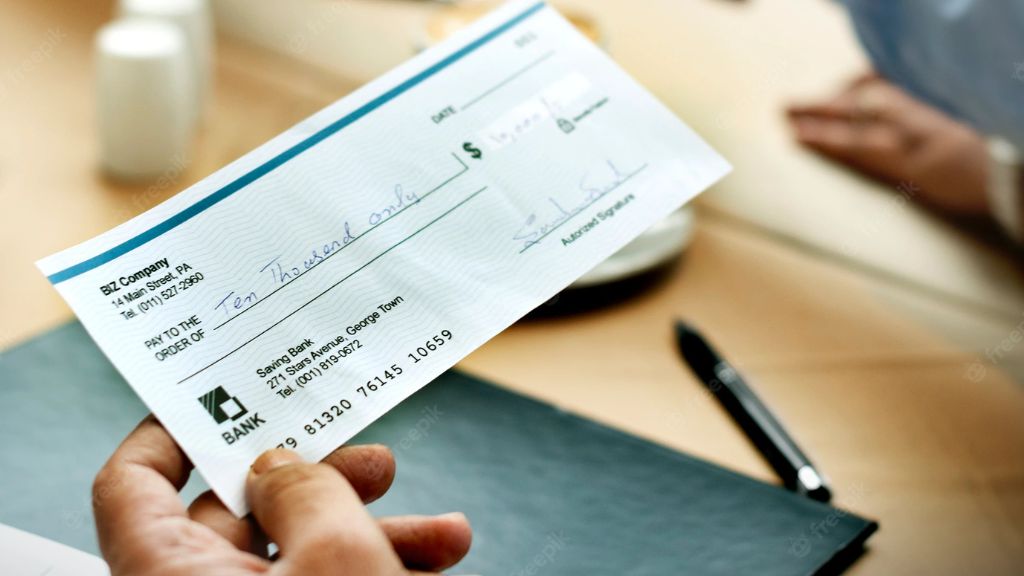
Cheque bounce affects more than just bank charges.
It damages your:
- Financial reputation
- Business trust
- Relationship with suppliers
- Future creditworthiness
Frequent cheque bounces may also make banks mark your account as high-risk customer.
You may face:
• Difficulty opening new accounts
• Problems getting loans
• Issues getting credit cards
What to Do if Your Cheque Bounces
Do not panic. Take immediate action.
Step-by-Step Solution
- Contact the receiver immediately
- Apologize and explain the reason
- Transfer money through NEFT/UPI
- Request them not to file legal notice
- Maintain proper balance afterward
Quick response often prevents legal problems.
How to Avoid Cheque Bounce (Practical Tips)
Here are proven prevention methods:
1. Always Maintain Minimum Balance
Keep extra funds in the account before issuing a cheque.
2. Write Clearly
Use one pen and clear handwriting.
3. Avoid Corrections
Never overwrite on cheque.
4. Check Date Carefully
Do not post-date unless necessary.
5. Match Signature
Always sign exactly like bank records.
6. Inform Before Depositing
If you issue a cheque, inform the receiver about the date.
7. Use Online Payments When Possible
UPI and bank transfers reduce risk.
8. Track Issued Cheques
Maintain a record notebook or Excel sheet.
Cheque Bounce in Business Transactions
Businesses suffer the most from cheque bounce.
It causes:
• Cash flow problems
• Inventory delays
• Supplier distrust
• Legal costs
Many companies now ask for:
- RTGS
- NEFT
- Advance payment
instead of cheques.
Cheque Bounce vs Stop Payment
Many people think stopping payment avoids legal trouble.
This is incorrect.
Even stop payment instruction can still be treated as cheque dishonour if liability exists.
Important Banking Tips
• Never issue a cheque as a “promise” without funds
• Never give blank signed cheque
• Never ignore bank SMS alerts
• Update phone number in bank
Frequently Asked Questions
1. What does a bounced cheque mean?
It means the bank refused payment due to insufficient balance or errors in the cheque.
2. Is cheque bounce a crime?
It can become a legal offence if payment is not made after receiving a legal notice.
3. How many times can a cheque be presented?
Usually up to 3 times within its validity period (3 months).
4. Who pays cheque bounce charges?
Primarily the cheque issuer, but sometimes the depositor also pays small bank fees.
5. Can I go to jail for cheque bounce?
In serious legal cases, the court may impose penalties or punishment.
6. What is the validity of a cheque?
Generally 3 months from the written date.
7. Can I reissue the cheque after bounce?
Yes, after adding sufficient balance.
8. What if signature mismatch happens?
You must visit the bank and update your signature.
9. Does cheque bounce affect credit score?
Frequent dishonours can indirectly affect loan approval and financial trust.
10. What is the fastest solution after cheque bounce?
Immediately pay via bank transfer and settle the matter before legal notice.
Final Conclusion
A check bounce is more serious than most people think. It is not just a failed transaction — it is a financial credibility issue. Many legal disputes and business conflicts start from a simple bounced cheque.
The best solution is prevention: maintain proper balance, write cheques carefully, and prefer digital payments whenever possible.
Responsible banking habits protect not only your money but also your reputation.
4 thoughts on “Check Bounce: Meaning, Reasons, Bank Charges & How to Avoid Cheque Bounce Problems”