
When anyone in India even thinks about buying a hatchback, I swear the same line comes out immediately:
“Kitna deti hai?”
Not horsepower.
Not infotainment system.
Not safety rating.
Mileage.
To be honest, this is exactly why the Toyota Glanza 2026 actually gets interesting. Toyota already has a fixed image in our heads — reliable cars, strong resale, and low maintenance headaches. We’ve all heard some uncle say “Toyota lo beta, tension free rahega.”
But here’s the twist. The Glanza is basically built on the Maruti Baleno platform. So naturally people get confused — is it just a rebadged car, or is there something more?
What Toyota really did was polish the ownership experience. Better service behaviour, smoother support, and a slightly more premium feel while keeping the same practicality.
So the real question, honestly speaking, is very simple:
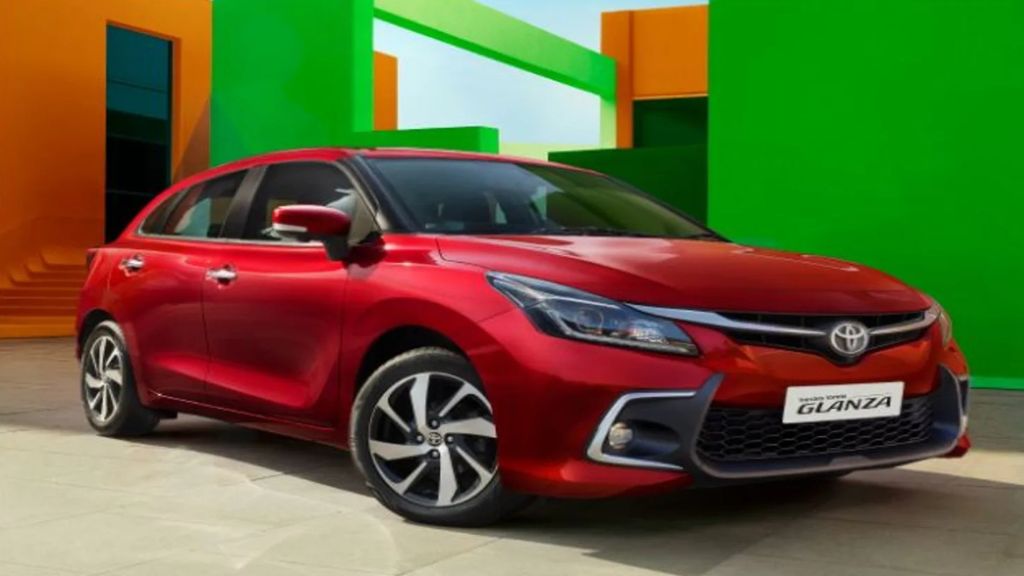
Does the Glanza actually save fuel in real life… or only inside a lab test report?
Let’s break it down slowly.
Engine — Why It Actually Matters
The 2026 Glanza continues with the familiar 1.2-litre K-Series Dual Jet petrol engine. And surprisingly, this boring-sounding engine is actually the hero of the whole car.
Specs (simple language):
- 1197cc petrol engine
- 4 cylinders
- Around 90 PS power
- 113 Nm torque
- 5-speed manual or AMT
- Petrol + factory CNG option
Now here’s the thing.
This engine is not trying to impress your friends.
It’s trying to survive Indian traffic.
And honestly… that matters more.
The dual injector system sprays petrol more efficiently. In normal words — fuel burns properly, so the car travels more distance using less petrol.
Claimed Mileage (Company Numbers)
- Manual: 22.3 km/l
- AMT: 22.9 km/l
- CNG: 30.6 km/kg
Looks amazing on paper.
But we all know ARAI mileage is basically lab performance. Real life means traffic jams, speed breakers, bad roads, AC always on, and someone suddenly crossing the road without warning.
So let’s talk about reality.
Real-World Mileage (What You’ll Actually Get)
City
You can realistically expect 16–19 km/l.
In places like Bhopal, Lucknow, Delhi-type traffic — stop, brake, accelerate, brake again — mileage obviously drops a little. Still, the best part is, it remains stronger than most rivals.
Highway
This is where the car shines.
Drive at 70–90 km/h and you’ll see 20–24 km/l easily. The engine stays relaxed and low RPM helps a lot.
CNG Version
Honestly, this is the money-saving king.
26–28 km/kg in real life.
Your running cost almost becomes bike-level.
Why It Gives Good Mileage (Actual Reasons)
Not marketing. Real reasons.
1. Lightweight body
Car is under 1,000 kg. Less weight = less effort for engine.
2. Idle start-stop
At signals, engine switches off automatically. You won’t notice daily, but after months you’ll see fuel savings.
3. Dual injectors
Cleaner fuel burning. Smooth engine + efficiency together.
4. Easy gear ratios
You don’t have to press hard on accelerator every time.
5. Aerodynamic shape
On highways, air resistance is lower than you’d expect.
Petrol vs CNG — What I’d Choose
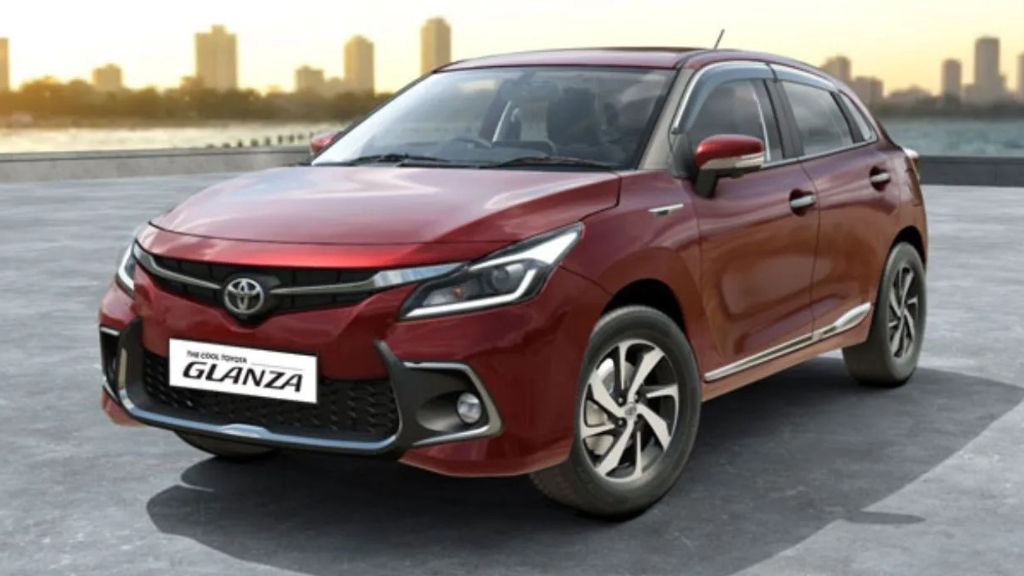
Pick Petrol if:
- You drive under 40 km daily
- You want smooth pickup
- You like silent driving
- Occasional highway trips
Pick CNG if:
- Daily commute above 50 km
- Office commute or cab use
- Maximum savings matter
- Fuel cost hurts you every month
Honestly, most heavy users should go CNG.
Running Cost (This Is The Real Shock)
Petrol (₹105/l approx)
Mileage ~18 km/l
≈ ₹5.8 per km
CNG (₹80/kg approx)
Mileage ~27 km/kg
≈ ₹2.9 per km
That’s almost half.
This single reason is why many buyers quietly choose the CNG Glanza.
Maintenance
The best part is actually here.
Yearly service usually falls around ₹4,000–₹6,000.
Why so low?
- Naturally aspirated engine
- No turbo complications
- Easily available parts
- Shared platform support
Basically, fewer surprises at service centre.
Driving Feel
Many mileage cars feel weak.
The Glanza doesn’t feel fast… but it feels relaxed.
Light steering, soft clutch, smooth engine.
You don’t fight the car in traffic. The car cooperates with you.
And honestly, after daily office driving, that matters more than speed.
How To Get Even Better Mileage
Small habits make big difference:
- Maintain 60–80 km/h on highway
- Accelerate gently
- Keep tyre pressure correct
- Avoid half-clutch
- Use higher gears early
- Service on time
Some owners surprisingly report 24–25 km/l highway mileage with calm driving.
Compared to Rivals
- Glanza: 18–24 km/l
- Baleno: 18–23 km/l
- i20: 14–18 km/l
- Altroz: 16–20 km/l
You can clearly see why daily users prefer it.
Resale Value
Toyota badge still matters in India.
After 5 years, you can expect roughly 55–65% resale value.
Mileage saves fuel.
Resale saves money later.
Together, ownership cost drops a lot.
Who It’s Perfect For
- Office commuters
- Students
- Families
- Cab drivers
- First-time buyers
Not ideal for speed lovers or racing enthusiasts.
Ownership Experience
Owners usually mention:
- Smooth engine
- Very low service cost
- Powerful AC
- Easy driving
- No reliability tension
Toyota service network gives mental peace — honestly, that’s a big deal in India.
My Final Take
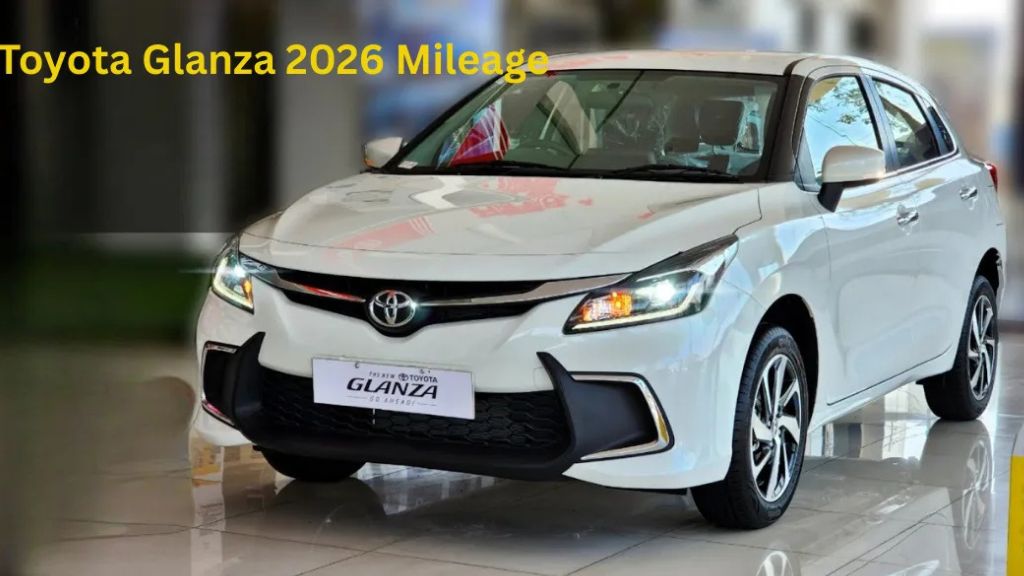
If you want:
- low fuel expense
- low maintenance
- dependable daily car
- practical family hatchback
Then yes — the Toyota Glanza 2026 is a very safe purchase.
It won’t excite you.
But surprisingly, it will never stress you.
And for most Indian buyers, we’re not chasing excitement.
We’re chasing peace of mind.
Quick FAQs
Real mileage?
City 16–19 km/l, highway 20–24 km/l.
CNG mileage?
Around 26–28 km/kg.
Better than Baleno?
Mileage similar, service experience usually better.
AC effect?
Drops about 1–2 km/l in city.
Power enough?
Perfect for daily use, not for racing.
Maintenance cost?
₹4k–₹6k yearly.
Good for long drives?
Yes, very comfortable.
Best mileage variant?
CNG.
Automatic mileage?
Almost same as manual.
Worth buying in 2026?
Yes — especially for reliability and fuel savings.
3 thoughts on “Toyota Glanza 2026 Mileage Explained: Real-World Fuel Efficiency, Engine Performance & Ownership Cost in India”