
The Battle of Galwan, also known as the Galwan Valley Clash, stands as one of the most defining moments in modern Indian military history. Fought on the freezing heights of eastern Ladakh in June 2020, this confrontation between Indian and Chinese troops marked the first deadly clash between the two nuclear-armed nations in over four decades.
Unlike conventional wars, the Battle of Galwan was fought without bullets, under extreme conditions, and in complete darkness. Yet, its consequences echoed across the globe, altering diplomatic equations, defense strategies, and public sentiment in India forever.

This is the complete, detailed, and factual story of the Battle of Galwan — its background, causes, heroes, and long-term impact.
Where Is Galwan Valley Located?
Galwan Valley is located in eastern Ladakh, near the Line of Actual Control (LAC) — the de facto border between India and China.
The valley lies at an altitude of over 14,000 feet, surrounded by rugged mountains and icy rivers.
This region is strategically critical because:
- It connects to the Darbuk–Shyok–Daulat Beg Oldie (DSDBO) road
- It lies close to key Indian military positions
- It provides tactical advantage for surveillance and troop movement
Control over Galwan Valley directly affects military dominance in Ladakh.
Background: India–China Border Tensions
India and China share a long and disputed border of over 3,400 kilometers, much of which is not clearly demarcated. The Line of Actual Control (LAC) remains a source of recurring friction.
Key Historical Context:
- 1962 India–China War
- Border agreements in 1993, 1996, and 2005
- Mutual understanding to avoid the use of firearms near the LAC
For decades, both sides followed protocols to prevent escalation — until Galwan.
Why Did the Battle of Galwan Happen?
The Battle of Galwan did not happen overnight. It was the result of months of rising tension in eastern Ladakh.
Major Causes:
- Infrastructure Development by India
India accelerated road and bridge construction near the LAC to improve connectivity for its armed forces. - Chinese Objections
China perceived these developments as a threat to its strategic interests. - Forward Deployment of Troops
Both sides increased troop presence in Galwan Valley and nearby areas like Pangong Tso. - Breakdown of Mutual Understanding
Temporary disengagement agreements failed due to differing interpretations of the LAC.
The Night of June 15, 2020: What Really Happened
On the night of June 15, 2020, Indian Army soldiers from the 16 Bihar Regiment went to verify whether Chinese troops had dismantled structures as agreed during diplomatic talks.
What followed was one of the most brutal hand-to-hand combats in modern military history.
Key Details:
- No firearms were used
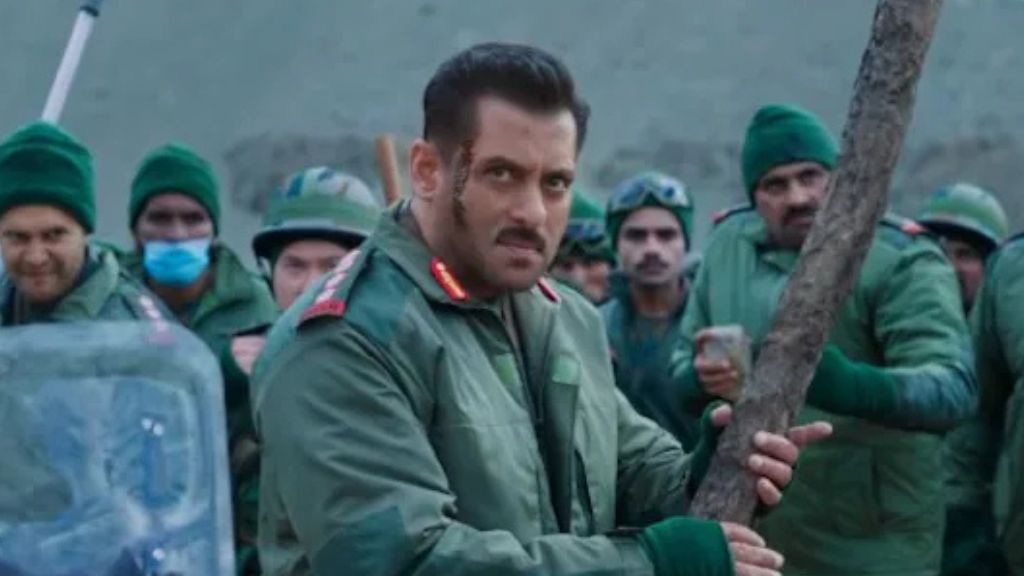
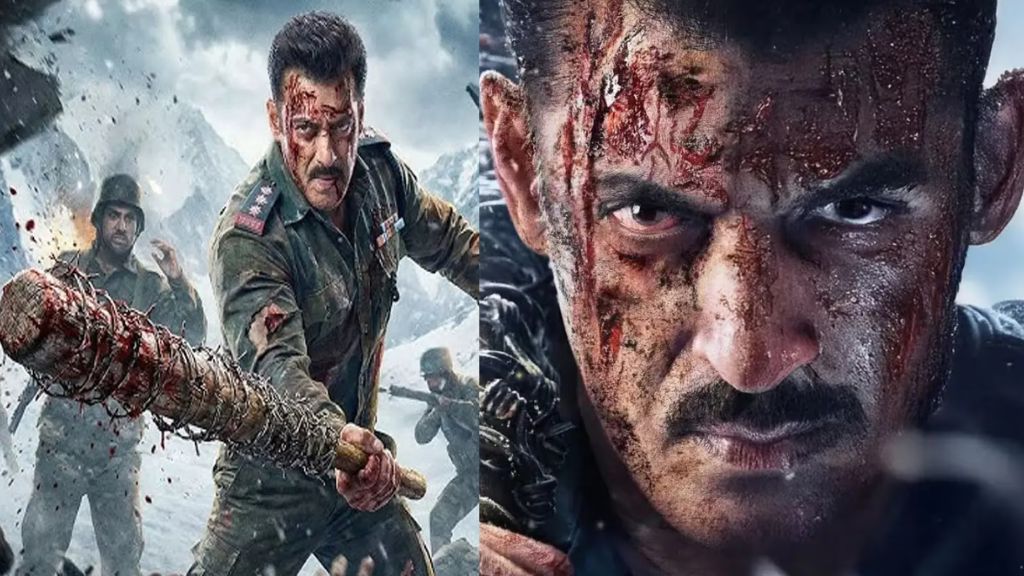
- Soldiers fought using sticks wrapped with barbed wire, stones, and fists
- The clash lasted several hours
- Many soldiers fell into the icy Galwan River
Despite being outnumbered and facing extreme conditions, Indian troops stood their ground with unmatched bravery.
Indian Army’s Heroic Stand
The Indian Army displayed extraordinary courage during the Battle of Galwan.
Colonel Santosh Babu: A Symbol of Valor
Colonel Bikumalla Santosh Babu, commanding officer of 16 Bihar Regiment, led from the front. Even after sustaining fatal injuries, he continued to command his troops.
His leadership inspired soldiers to fight back fiercely and prevent further escalation.
Martyrs of the Battle of Galwan
India lost 20 brave soldiers, including Colonel Santosh Babu. Their sacrifice shook the nation and united millions in grief and pride.
Key Facts:
- All martyrs were honored with full military honors
- Several soldiers received gallantry awards
- The nation observed moments of silence and nationwide tributes
Their courage reaffirmed the Indian Army’s motto: “Service Before Self.”
China’s Losses and Silence
While India officially announced its casualties, China initially remained silent about its losses. Later reports indicated that Chinese casualties were also significant.
The lack of transparency drew global criticism and raised questions about China’s handling of the incident.
Why No Guns Were Used in Galwan?
The absence of firearms in the Battle of Galwan was due to long-standing agreements between India and China.
Border Protocols:
- No firing of guns within a certain distance of the LAC
- Avoidance of escalation
- Reliance on diplomacy to resolve disputes
Ironically, these protocols made the clash even more violent.
Impact on India–China Relations
The Battle of Galwan marked a turning point in India–China relations.
Diplomatic Impact:
- Trust deficit widened significantly
- Multiple rounds of military and diplomatic talks followed
- Disengagement in some areas, continued tension in others
Military Impact:
- Increased troop deployment in Ladakh
- Upgradation of infrastructure
- Faster procurement of defense equipment
India’s Strategic Response After Galwan

Post-Galwan, India took decisive steps to strengthen its national security.
Key Actions:
- Strengthened border infrastructure
- Enhanced surveillance capabilities
- Focus on self-reliance in defense manufacturing
- Banned several Chinese apps on national security grounds
These steps signaled India’s firm stance on sovereignty.
Global Reaction to the Battle of Galwan
The clash drew international attention due to the involvement of two nuclear-armed nations.
Global Observations:
- Calls for peace and restraint
- Increased global focus on Indo-Pacific security
- Strengthening of India’s strategic partnerships
The world closely watched how India handled the crisis with restraint and strength.
Why the Battle of Galwan Matters Today
Even years later, the Battle of Galwan continues to influence geopolitics and military strategy.
Long-Term Significance:
- Redefined India’s border defense policy
- Strengthened national unity
- Highlighted the realities of modern border conflicts
- Reinforced the importance of military preparedness
Lessons from the Battle of Galwan
- Preparedness is Non-Negotiable
- Infrastructure Equals Security
- Diplomacy Must Be Backed by Strength
- Leadership Matters on the Battlefield
Galwan taught India that peace is best preserved through readiness.
Conclusion: A Battle That Will Never Be Forgotten
The Battle of Galwan is more than a military clash — it is a story of sacrifice, courage, and national resolve. It reminded India and the world that sovereignty is protected not just by weapons, but by the unwavering spirit of soldiers willing to stand firm against all odds.
As India moves forward, the memory of Galwan remains etched in the nation’s conscience — a solemn reminder that freedom and security come at a price paid by the bravest among us.
1 thought on “Battle of Galwan: Full Story, Causes, Heroes & Impact on India–China Relations”