
Happy Makar Sankranti is not just a greeting—it is a celebration of hope, harvest, and harmony with nature. Observed every year in mid-January, Makar Sankranti marks the moment when the Sun enters the zodiac sign Capricorn (Makar) and begins its northward journey (Uttarayan).
Unlike many Indian festivals that follow the lunar calendar, Makar Sankranti is based on the solar calendar, making it one of the most astronomically significant festivals in the world. This transition symbolizes longer days, warmer weather, abundance, and positivity.
Across India, people welcome this auspicious day with gratitude, prayers, sweets, kites, and community bonding. Each region celebrates it in a unique way, yet the essence remains the same—new beginnings and prosperity.
The Astronomical and Spiritual Meaning of Makar Sankranti
Makar Sankranti marks a powerful cosmic shift. It signifies the end of the winter solstice and the beginning of longer daylight hours. Spiritually, this transition represents moving from darkness to light, from ignorance to wisdom.
In ancient Indian scriptures, Uttarayan is considered an extremely auspicious period. It is believed that souls who leave the body during this time attain moksha (liberation). This belief is deeply rooted in Hindu philosophy and epics like the Mahabharata.
This is why Makar Sankranti is associated with:
- Self-discipline
- Spiritual awakening
- Charity and compassion
- Gratitude toward nature
Why Makar Sankranti Is Called a Harvest Festival
Happy Makar Sankranti is closely linked to agriculture. It celebrates the arrival of new crops and honors farmers for their hard work throughout the year.
During this time:
- Winter crops like wheat, sugarcane, sesame, and mustard are harvested
- Farmers thank the Sun God for favorable weather
- Communities celebrate abundance and food security
This connection between humans and nature is what makes Makar Sankranti a timeless and sustainable festival.
Different Names of Makar Sankranti Across India
India’s diversity shines beautifully during Makar Sankranti. Though the date remains nearly the same, the festival is known by different names in various regions:
Pongal – Tamil Nadu
A four-day harvest festival dedicated to the Sun God, cattle, and farmers.
Lohri – Punjab & Haryana
Celebrated a day before Sankranti, marking the end of winter with bonfires and folk songs.
Uttarayan – Gujarat
Famous worldwide for its grand kite festival.
Magh Bihu – Assam
Celebrates community feasts and agricultural prosperity.
Khichdi – Uttar Pradesh & Bihar
Associated with charity, holy dips, and simple food offerings.
Despite different names, the spirit of thankfulness and joy remains universal.
Traditional Rituals of Makar Sankranti
1. Holy Bath in Sacred Rivers
People take a ritual bath in rivers like the Ganga, Yamuna, and Godavari to cleanse sins and invite positivity.
2. Worship of the Sun God
Surya Dev is worshipped as the source of life, health, and energy.
3. Charity and Donations
Donating food, clothes, sesame seeds, and jaggery is believed to bring good karma.
4. Preparing Special Foods
Traditional dishes symbolize warmth, sweetness, and unity.
Why Sesame (Til) and Jaggery (Gur) Are Important
Til and gur play a vital role in Makar Sankranti celebrations. They symbolize:
- Warmth during winter
- Sweetness in relationships
- Unity and togetherness
The popular saying, “Til-gul ghya, god god bola” reminds people to let go of negativity and speak kindly.
Makar Sankranti Special Foods Across India
Food is the heart of Indian festivals, and Happy Makar Sankranti is no exception.
Some popular dishes include:
- Til ladoo
- Chikki (peanut and jaggery brittle)
- Khichdi
- Pongal
- Puran poli
- Sweet rice and sugarcane treats
Each dish carries cultural and nutritional significance, helping the body adapt to seasonal changes.
The Kite Festival: Letting Dreams Fly High
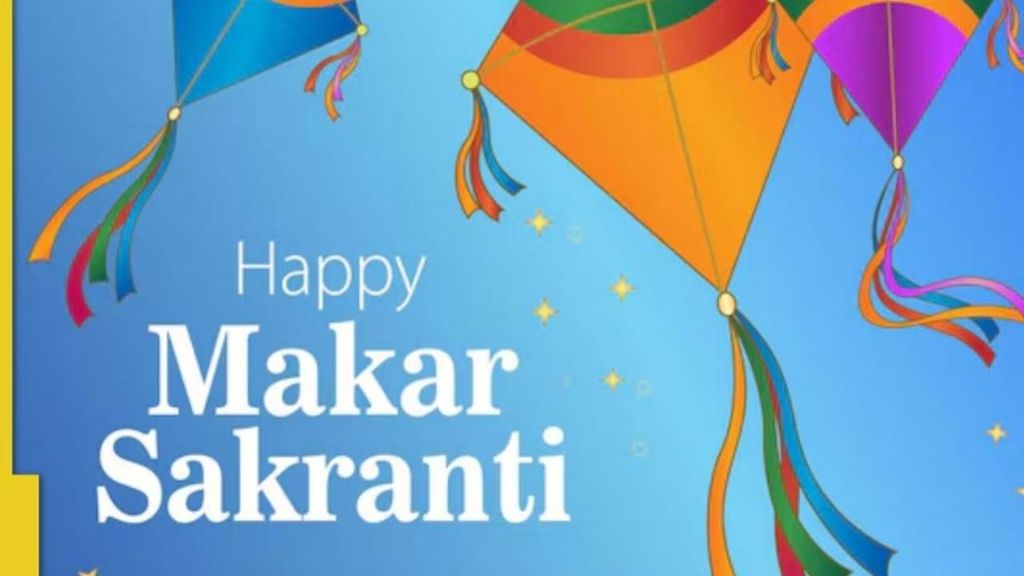
The kite festival is one of the most joyful elements of Makar Sankranti, especially in Gujarat and Rajasthan.
Flying kites represents:
- Freedom and joy
- Rising above challenges
- Celebration of open skies and sunlight
Rooftops fill with laughter, competition, and colorful kites dancing against the blue sky, making the festival visually unforgettable.
Cultural and Social Importance of Happy Makar Sankranti
Makar Sankranti strengthens social bonds. Families reunite, neighbors share sweets, and communities celebrate together. It promotes:
- Harmony and equality
- Respect for farmers
- Gratitude toward nature
- A sense of renewal
In a fast-paced digital world, this festival reminds us to slow down and reconnect with our roots.
Modern Celebrations of Makar Sankranti
Today, Happy Makar Sankranti is celebrated not just traditionally but also digitally:
- Social media wishes and greetings
- Virtual kite-flying games
- Online cultural events
- Eco-friendly celebrations
Despite modernization, the essence of the festival remains intact.
Why Makar Sankranti Is Perfect for New Beginnings
Many people start new ventures, habits, and goals on Makar Sankranti because it symbolizes:
- Growth
- Positivity
- Forward movement
It’s an ideal time to:
- Set life goals
- Practice gratitude
- Begin spiritual or wellness routines

Makar Sankranti and Mental Well-Being
The festival naturally uplifts mental health by:
- Encouraging social interaction
- Promoting outdoor activities
- Spreading positivity and hope
Sunlight exposure during celebrations also boosts mood and energy levels.
10 Frequently Asked Questions (FAQs)
1. What does Happy Makar Sankranti mean?
It means celebrating the Sun’s transition into Capricorn, symbolizing prosperity, growth, and positivity.
2. Why is Makar Sankranti always around January 14?
Because it follows the solar calendar, not the lunar calendar.
3. Is Makar Sankranti a religious or cultural festival?
It is both—rooted in spirituality and celebrated culturally.
4. Why do people fly kites on Makar Sankranti?
To celebrate longer days, joy, and freedom under the open sky.
5. What is the significance of til and jaggery?
They provide warmth, nutrition, and symbolize sweetness in relationships.
6. Which God is worshipped on Makar Sankranti?
The Sun God (Surya Dev) is worshipped.
7. Is Makar Sankranti celebrated outside India?
Yes, especially in Nepal and parts of South Asia.
8. What is the spiritual benefit of taking a holy dip?
It is believed to cleanse sins and bring positive energy.
9. Can Makar Sankranti be celebrated eco-friendly?
Yes, by using biodegradable kites and avoiding harmful materials.
10. Why is Makar Sankranti important for farmers?
It marks the harvest season and honors agricultural abundance.
Final Thoughts: The Timeless Message of Happy Makar Sankranti
Happy Makar Sankranti teaches us a simple yet powerful lesson—life moves forward, and so should we. Just as the Sun changes its direction, we too can choose positivity, growth, and kindness.
In every flying kite, shared sweet, and heartfelt wish, this festival reminds us that light always follows darkness.
May this Makar Sankranti bring warmth to your heart, success to your efforts, and sweetness to your life.
Happy Makar Sankranti! 🌞🪁

1 thought on “Happy Makar Sankranti 2026: Meaning, Traditions, Kite Festival & Cultural Significance in India”