
Tattoos have evolved from ancient tribal markings to a global form of self-expression. Millions of people get tattooed every year, yet a common question remains unanswered for many: how do tattoos affect your immune system?
A tattoo is not just art on the skin. It is a controlled injury that triggers a biological response inside the body. The immune system plays a crucial role in how tattoos heal, how long they last, and how the body reacts to tattoo ink over time.
Understanding this process is important not only for tattoo lovers but also for anyone concerned about long-term health. This article explores the immune system’s reaction to tattoos, both short-term and long-term, using scientific understanding explained in simple language.
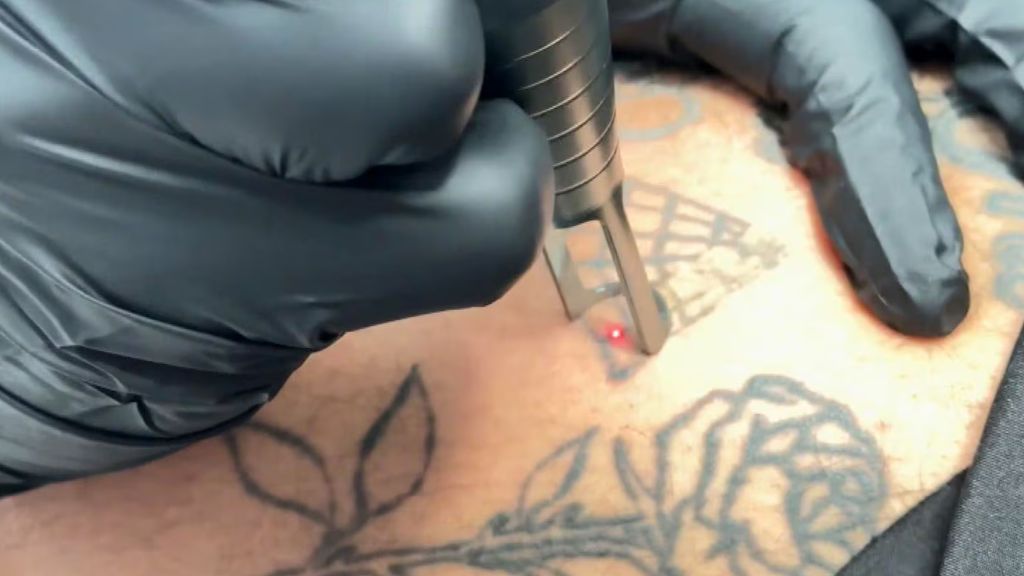
What Happens to Your Body When You Get a Tattoo?
When a tattoo needle punctures the skin, it creates thousands of tiny wounds. These needles deposit ink into the dermis, the layer beneath the outer skin (epidermis).
From the immune system’s perspective:
- The needle injury is physical trauma
- The ink particles are foreign substances
This combination immediately activates the immune response.
The Immune System’s First Reaction to a Tattoo
1. Inflammation Begins Immediately
The moment tattooing starts:
- Blood vessels widen
- White blood cells rush to the area
- Swelling, redness, and warmth appear
This is acute inflammation, a normal and necessary immune response.
2. White Blood Cells Attack the Ink
Special immune cells called macrophages try to destroy the ink particles. However, tattoo ink molecules are too large to be broken down easily.
Instead:
- Macrophages trap ink particles
- These cells remain in the skin
- This is why tattoos become permanent
This process explains how tattoos affect your immune system at a cellular level.
Why Tattoos Don’t Disappear Over Time
Normally, foreign substances are removed from the body. Tattoo ink behaves differently.
- Macrophages hold the ink
- When macrophages die, new ones capture the ink again
- This cycle continues for years
Your immune system is constantly managing tattoo ink, even decades after tattooing.
Short-Term Effects of Tattoos on the Immune System
1. Temporary Immune Activation
Right after getting a tattoo:
- Immune activity increases
- The body focuses on healing
- Mild immune stress occurs
This is why people often feel:
- Tired
- Slightly feverish
- Weak for a short time
2. Risk of Infection
If proper hygiene is not followed:
- Bacteria can enter open skin
- The immune system must fight infection
- Healing time increases
This risk is higher when:
- Tattoo studios are unhygienic
- Aftercare is ignored
- Immunity is already weak
Do Tattoos Strengthen the Immune System?
Interestingly, some studies suggest tattoos may slightly strengthen immune response over time.
How This Happens
- Repeated exposure to controlled injury
- Immune memory improves
- The body becomes better at healing wounds
People with multiple tattoos often show:
- Faster healing
- Reduced inflammation
- Lower stress hormone response
This does not mean tattoos are immune boosters, but they may help the immune system adapt.
Long-Term Effects of Tattoos on Immunity

1. Chronic Immune Engagement
Tattoo ink remains in the body permanently. This means:
- The immune system never fully “forgets” the tattoo
- Low-level immune activity continues
- Lymph nodes may store ink particles
However, in healthy individuals, this does not usually cause illness.
2. Tattoo Ink and Lymph Nodes
Some ink particles travel through lymphatic vessels and settle in lymph nodes.
Effects include:
- Temporary lymph node swelling
- Darkened lymph nodes
- No proven long-term damage in healthy people
This shows that tattoos interact with the immune system beyond the skin.
Can Tattoos Weaken the Immune System?
For most healthy individuals, tattoos do not weaken immunity permanently. However, problems may occur in certain situations.
People at Higher Risk
- Autoimmune disease patients
- People with diabetes
- Individuals with HIV
- Those on immune-suppressing medications
In such cases:
- Healing may be slow
- Infection risk is higher
- Immune reactions may be stronger
Medical advice is strongly recommended before tattooing.
Allergic Reactions and the Immune System
Ink Allergies
Some tattoo inks contain:
- Heavy metals
- Chemical pigments
- Synthetic dyes
The immune system may react with:
- Itching
- Swelling
- Rashes
- Chronic inflammation
Red ink is most commonly associated with allergic reactions.
Delayed Immune Reactions
Unlike normal allergies:
- Tattoo reactions can appear months or years later
- Sun exposure can trigger immune responses
- The body may suddenly recognize ink as harmful
This shows how tattoos can interact unpredictably with immunity over time.
Tattoos and Autoimmune Conditions
People with autoimmune diseases should be cautious.
Possible issues:
- Immune overreaction
- Triggered flare-ups
- Poor wound healing
While tattoos do not directly cause autoimmune diseases, they may stress an already sensitive immune system.
Tattoo Removal and Immune Response
Laser tattoo removal heavily involves the immune system.
How Removal Works
- Laser breaks ink into smaller particles
- Immune cells remove fragmented ink
- The body clears ink gradually
Side effects include:
- Temporary immune activation
- Swelling and inflammation
- Fatigue
This further proves that tattoos remain connected to immune function throughout life.
Do Tattoos Increase Disease Risk?
No Direct Evidence of Serious Disease
There is no proven link between tattoos and:
- Cancer
- Immune system failure
- Chronic infections (when done safely)
Most health risks come from:
- Poor hygiene
- Low-quality ink
- Unsafe tattoo practices
Mental Stress, Tattoos, and Immunity
Stress directly affects immune health.
Interestingly:
- Tattoos often reduce emotional stress
- Self-expression improves mental well-being
- Lower stress supports immune function
This indirect effect may explain why some people feel physically stronger after tattooing.
Tattoo Aftercare and Immune Health
Proper aftercare helps the immune system heal efficiently.
Best Practices
- Keep the tattoo clean
- Avoid scratching
- Use recommended ointments
- Stay hydrated
- Eat immune-supportive foods
Ignoring aftercare forces the immune system to work harder and increases risk.
Are Tattoos Safe for Long-Term Health?
For most people:
- Tattoos are biologically manageable
- The immune system adapts
- No major long-term harm occurs
The key factors are:
- Professional tattoo artists
- Sterile equipment
- Quality ink
- Healthy immune system
Common Myths About Tattoos and Immunity
Myth 1: Tattoos Poison the Immune System
❌ False. Ink particles are managed, not poisoning the body.
Myth 2: Tattoos Permanently Damage Immunity
❌ No scientific evidence supports this.
Myth 3: Tattoos Always Cause Allergies
❌ Most people never experience allergic reactions.
Benefits vs Risks: Immune System Perspective
Potential Benefits
- Improved wound-healing response
- Stress reduction
- Immune adaptation
Potential Risks
- Infection if poorly done
- Allergic reactions
- Delayed healing in weak immunity
Who Should Avoid Tattoos?
Tattoos may not be suitable for:
- Pregnant women
- People with bleeding disorders
- Those with active skin infections
- Individuals with severely compromised immunity
Medical consultation is advised.
Future Research on Tattoos and Immunity
Science continues to explore:
- Long-term ink metabolism
- Immune memory effects
- Safer bio-compatible inks
Modern tattoo technology is becoming more immune-friendly with time.
Final Verdict: How Do Tattoos Affect Your Immune System?
Tattoos activate, challenge, and adapt the immune system, but they do not destroy it.
In healthy individuals:
- Immune responses remain balanced
- The body successfully manages ink
- Long-term health remains stable
The immune system is remarkably resilient, and tattoos are a testament to how well the human body adapts to change.
Conclusion
Understanding how tattoos affect your immune system removes fear and misinformation. Tattoos are more than skin-deep, but they are not dangerous when done responsibly.
With proper care, professional practices, and awareness of your own health, tattoos can remain a safe and meaningful form of expression without harming your immune system.
3 thoughts on “How Do Tattoos Affect Your Immune System? Science-Backed Truth You Should Know”