
When someone mentions modern chick-lit or romantic comedy novels, few names shine as brightly as Sophie Kinsella. With her witty storytelling, relatable heroines, and a knack for capturing universal human quirks, Kinsella has created a literary phenomenon. Many readers wonder — given her international popularity — exactly how much she might be worth today. In this article, we take a deep dive into the wealth behind the woman who introduced the world to Becky Bloomwood, and examine what “net worth” really means for a global author.
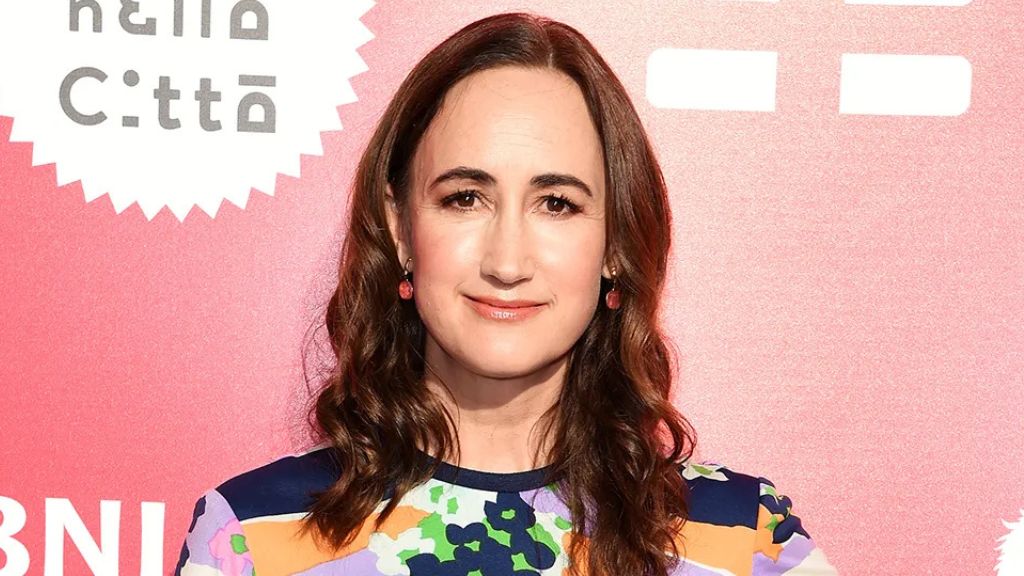
Who Is Sophie Kinsella?
- Sophie Kinsella is the pen name of Madeleine Wickham, a British novelist who began her writing career under her real name before adopting her pseudonym.
- Under “Sophie Kinsella,” she gained worldwide fame — especially through her “Shopaholic” series, which follows the hilarious and chaotic adventures of Becky Bloomwood, a lovable but financially irresponsible protagonist.
- Over the years, Kinsella expanded her repertoire beyond the Shopaholic books: writing standalone romantic comedies, young adult novels, and engaging short fiction.
- Her writing style — lighthearted, humorous, emotionally honest — appeals to a broad audience. That universal appeal, combined with frequent reprints, translations, and new editions, has helped her maintain long-term popularity.
This blend of broad appeal, consistent output, and global reach forms the foundation for her financial success.
Revenue Streams: How Sophie Kinsella Likely Earned Her Wealth
Authors like Sophie Kinsella typically accumulate wealth through multiple complementary income streams. Here’s how those apply in her case:
1. Primary Book Sales (Hardcover, Paperback, E-book)
Kinsella’s primary income source is — unsurprisingly — book sales. With dozens of novels under her name, many of them global best-sellers, each book release contributes a sizable royalty. Over time, as books are reprinted, released in paperback, and republished in new editions, royalties continue to flow. The “long tail” nature of publishing — where older books keep selling — means a steady income stream decades after first publication.
2. Translations & International Editions
A key strength of Kinsella’s career is her global reach. Her novels are translated into many languages, distributed worldwide across continents. Every international edition — be it in French, Spanish, German, or any other language — potentially brings additional royalties. For an author whose themes and tone resonate across cultures, this can significantly amplify earnings beyond the original English-speaking markets.
3. Adaptation Rights & Media Deals
When a novel becomes popular enough, adaptation opportunities often arise: film, television, audiobooks, foreign-language film rights, etc. For authors like Kinsella, licensing the rights to adapt a book can result in a substantial upfront payment. On top of that, success of a screen adaptation can boost book sales — creating a virtuous cycle of revenue.
4. Backlist & Residual Earnings
Authors sometimes earn more from their backlist — older works — than from their latest releases. For Kinsella, whose career spans many years, backlist royalties likely form a significant portion of her steady income. Every time someone picks up “Shopaholic,” or any earlier work, buys an e-book edition, borrows from a library, or purchases translation/companion editions, she earns.
5. Advances, Deals & Licensing
Popular authors often receive large advances for upcoming book deals. Once sales surpass the advance threshold, they begin earning royalties — which can be quite lucrative if sales are strong. Additionally, licensing for special editions, anniversary prints, audiobook versions, and foreign-market reissues all contribute to long-term income.
Estimating the Net Worth: What Might Make Sense
Because exact contract details, royalty percentages, and licensing deals remain private, any net worth estimate for Sophie Kinsella is necessarily speculative. However, combining her multiple income streams with her sustained global popularity, we can arrive at a plausible range rather than a precise figure.
Here’s a rough breakdown of what many industry analysts and literary insiders believe — acknowledging it remains an estimate:
- Over decades of writing and publishing, with consistently high sales domestically and internationally.
- Continuous revenue from translations, foreign publishing rights, and re-prints.
- Additional income from adaptation rights, licensing, audiobooks, and special editions.
- Backlist earnings, which tend to accumulate over time.
Given all of this, a **net worth in the ballpark of US $30–50 million (before taxes and expenses) seems reasonable for an author of Kinsella’s caliber and reach — though publicly available “net worth tracker” sites may show lower numbers, often because they rely on limited data (e.g. domestic sales only, or outdated royalty info). Consider lower estimates as minimum baselines, and treat higher ranges as educated industry-informed projections.

Why Some Estimates Are Lower — And Should Be Taken with Caution
You may come across numbers that seem modest — maybe just a few million dollars. There are several reasons why these numbers may be underestimates:
- Data limitations: Many royalty and licensing agreements are private; publicly available information may not capture translation deals, foreign rights, or media licenses.
- Snapshot vs lifetime earnings: Some estimates reflect only recent earnings (past few years), neglecting decades of cumulative income.
- Currency fluctuations, taxes, and cost deductions: For a global author earning in multiple currencies and across many markets, converting earnings and accounting for costs reduces net take-home.
- Volatile income streams: Book sales, licensing deals, and adaptation opportunities may spike or dip — especially with changing reader tastes, market shifts, or publishing trends.
Because of these factors, a low public estimate may reflect conservative or incomplete data — not the full financial picture.
What Sophie Kinsella’s Net Worth Represents — And What It Doesn’t
What It Represents
- Sustained global success: Writing across decades, reaching millions of readers worldwide, and remaining relevant across changing publishing landscapes.
- A diversified income model: Not just writing books, but leveraging translation rights, adaptations, audiobook editions, foreign licensing — showcasing how modern authors can earn beyond traditional royalties.
- Long-term value of creative catalogues: Once a book becomes popular, it can continue bringing in revenue for years — sometimes decades — especially if it’s evergreen or has cross-cultural appeal.
- Cultural impact: Financial success underscores the wide reach and resonance of relatable fiction — showing that humor, empathy, and human vulnerability are universally appreciated.
What It Doesn’t Represent (Fully)
- Exact disposable wealth: Net worth estimates seldom account for taxes, living costs (especially if the author lives in high-cost areas), agent or publisher commissions, or personal investments/spending — so actual cash-in-hand may differ.
- Public persona vs private reality: A successful author may enjoy high earnings — but that doesn’t necessarily mean a lavish lifestyle; many choose to reinvest, save, or live modestly.
- Future unpredictability: Publishing trends change, reader tastes evolve, and new media disrupts old models. What’s valuable today may be less so decades later, unless the catalogue remains relevant.
Lessons for Aspiring Authors & Content Creators
The story of Sophie Kinsella’s success — and the wealth behind it — offers several instructive lessons for writers, creators, and anyone hoping to build a career in storytelling:
- Consistency over flash-in-the-pan hits: A steady stream of quality work over many years often yields more sustainable income than one accidental bestseller.
- Think globally, not just locally: If your work can travel — across languages and cultures — the potential audience multiplies massively.
- Diversify monetization: Don’t rely only on book sales. Explore audiobooks, foreign publishing, licensing, adaptations, special editions — multiple income streams protect against market changes.
- Value long-term over short-term gains: Timeless themes and relatable characters may stay relevant longer than trendy plots — leading to a long “tail” of royalties and residuals.
- Building a catalogue is an asset: Each new book adds not just its own potential, but boosts the evergreen value of previously published work.
Final Thoughts: The True Value Behind the Numbers
Estimating the net worth of a creative person — especially an author like Sophie Kinsella — is always a mix of art and calculation. While we may never know the exact figures behind private contracts and international deals, examining her prolific output, global reach, and diversified income streams gives a credible picture: she likely earned a substantial mid-to-high multi-million dollar net worth, possibly more.
But more importantly, her success underscores a deeper truth: storytelling, when rooted in empathy, humor, and humanity, has value far beyond numbers. The wealth she amassed reflects not just a profitable career — but a legacy of laughter, escapism, connection, and enduring stories. For readers, authors, and creators everywhere, Sophie Kinsella’s journey is a testament to how genuine, relatable fiction can transcend boundaries — and build something that lasts.
2 thoughts on “Sophie Kinsella Net Worth: How Much Is the “Shopaholic” Author Worth?”