
If you’ve been watching the Indian EV space like I have, you’ll probably agree — things are moving fast. Really fast. And honestly speaking, compact SUVs are right at the center of this shift. That’s exactly why the Tata Punch EV Facelift has everyone talking.
After the solid response to the regular Punch EV, expectations are sky-high. To be honest, people aren’t just looking for “an electric car” anymore. We want better range, smarter tech, stronger safety, and of course, a design that actually turns heads. So let’s break this down in a simple way and see what this facelift could really offer.
If you’re thinking about buying an affordable electric SUV in India, stick with me. I’ll walk you through everything that actually matters.
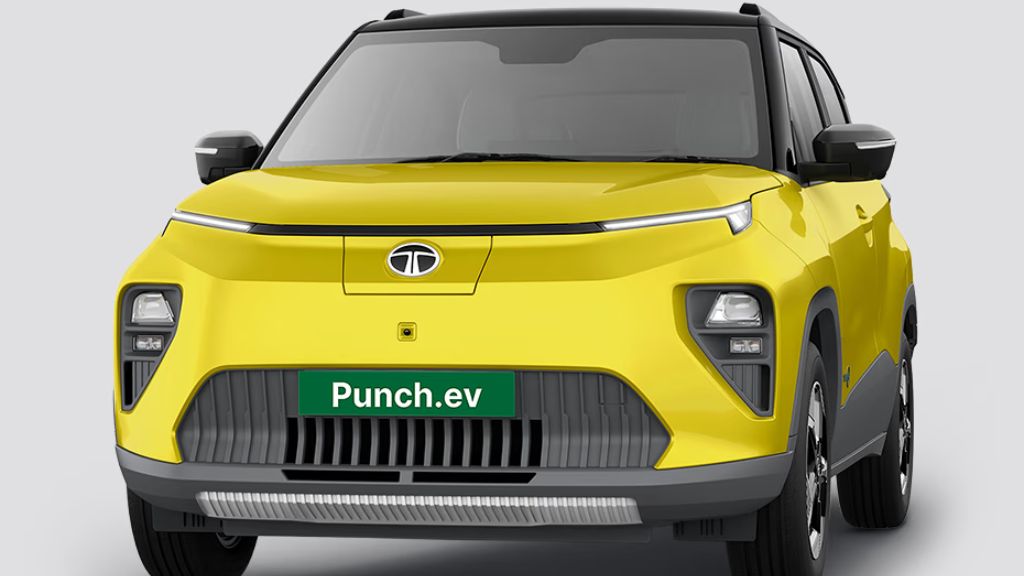
Why the Tata Punch EV Facelift Feels Important in 2026
Let’s be real. The compact SUV segment is brutally competitive right now. Buyers like us want:
- Modern styling
- Long driving range
- Big infotainment screens
- Solid safety ratings
- Pricing that doesn’t hurt
The Punch EV already carved a strong space for itself. It proved that a small electric SUV can feel practical and aspirational at the same time. Now with the facelift, I feel like Tata is trying to polish what already worked — and fix what customers quietly complained about.
And surprisingly, Tata has been consistently upgrading its EV lineup. That gives me confidence this refresh won’t just be cosmetic.
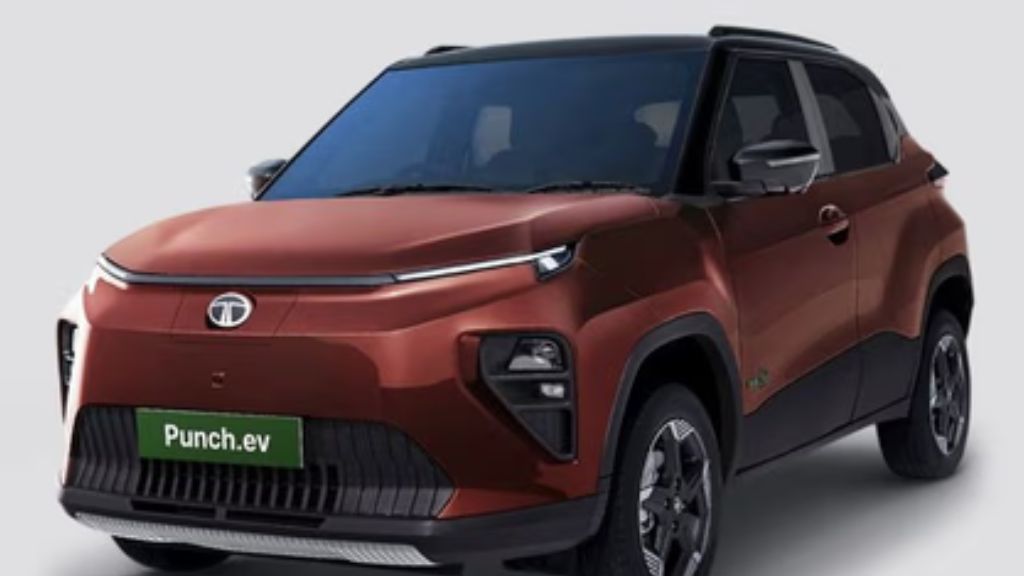
Exterior Changes: Subtle But Smarter
I don’t expect a full redesign. That would be too dramatic. What we’ll likely see are sharper refinements.
Updated Front Look
From what industry buzz suggests, the front fascia could get:
- Sharper LED DRLs
- A more aggressive bumper
- A cleaner closed EV grille
The best part is, even small tweaks can make a car look way more premium. If Tata gets this right, the Punch EV could look more futuristic without losing its tough SUV vibe.
New Alloy Wheels
This may sound small, but new alloy designs can completely change road presence. And if they improve aerodynamics even slightly, that’s a bonus.
Rear Styling Tweaks
We might see:
- Updated LED tail lamps
- Slightly redesigned rear bumper
- Possibly a connected light bar
Nothing over-the-top. Just cleaner, sharper detailing.
Interior: Where I Expect the Real Upgrade
Honestly, this is where I think the biggest changes will happen.
Bigger Infotainment Screen
There’s strong expectation of a 10.25-inch touchscreen. And finally, wireless Android Auto and Apple CarPlay could be standard on higher variants. That alone makes daily driving more convenient.
A smoother UI would also be welcome. Laggy systems are frustrating.
Fully Digital Instrument Cluster
A proper digital display showing:
- Battery range
- Navigation prompts
- Energy usage
That makes the whole EV experience feel modern.
Better Cabin Materials
Soft-touch panels. Dual-tone themes. Improved seat cushioning.
These are the details that make you feel good every single day. And honestly speaking, Indian buyers now notice cabin quality more than ever.
Battery & Range: The Real Decision-Maker
Let’s talk about the big question — range.
Range anxiety is still real. Even in 2026.
Expected battery options could include:
- Around 25 kWh (Standard Range)
- Around 35 kWh (Long Range)
If Tata manages around:
- 300 km (ARAI) for standard
- 400 km (ARAI) for long range
That’s solid.
In real life, I’d expect something between 260–350 km depending on how we drive. AC usage, traffic, highway speeds — everything matters.
For city commuting and occasional weekend trips? That sounds practical to me.
Performance: Smooth and Effortless
Electric cars are known for instant torque. That instant push when you press the accelerator — it feels satisfying.
The Punch EV Facelift might do 0–100 km/h in roughly 9–10 seconds. That’s more than enough for city use.
What I personally like about EVs:
- No gear shifts
- No engine noise
- Smooth acceleration
In daily traffic, that makes driving almost stress-free.
Charging: Convenience is Key
Charging matters more than specs.
At home, a 7.2 kW AC charger could fully charge it in about 4–6 hours. That means overnight charging is easy.
Fast charging? Possibly 10% to 80% in 50–60 minutes.
And as charging networks expand across India, ownership anxiety reduces. We’re not where we need to be yet. But we’re improving.
Safety: Tata’s Strong Point
One reason many people trust Tata is safety.
The facelift could include:
- 6 airbags
- ABS with EBD
- Electronic Stability Control
- Hill Hold Assist
- 360-degree camera (top variants)
- ISOFIX mounts
Given Tata’s reputation in crash tests, I’d expect solid structural integrity too.
For families, that matters a lot.
Expected Price in India
Pricing will decide everything.
Expected range: ₹11 lakh to ₹14.5 lakh (ex-showroom).
With EV subsidies and lower running costs, ownership becomes much cheaper long-term. And honestly, when you calculate fuel savings, the difference becomes clear.
Launch Timeline
Most reports suggest late 2026 or early 2027.
Nothing officially confirmed yet. But refresh cycles usually follow this timeline.
If you’re not in urgent need of a car, waiting might actually make sense.
Who Should Consider It?
In my opinion, this car fits perfectly for:
- First-time EV buyers
- Daily office commuters
- Young professionals
- Small families
- Budget-conscious SUV lovers
It’s compact. Easy to drive. Still feels like an SUV.
Competition Check
The facelift will likely compete with:
- Citroen eC3
- MG Comet EV
- Upcoming Hyundai micro EV
Where Punch EV stands strong:
- SUV styling
- Brand trust
- Safety focus
- Multiple range options
That balance is important.
Running Cost: The Biggest Advantage
Let’s compare honestly.
Electric cost per km: roughly ₹1–1.5
Petrol cost per km: ₹6–8
That’s a massive difference over time.
The best part is, maintenance is lower too. Fewer moving parts. No oil changes. No clutch repairs.
What Could Still Be Better?
No car is perfect.
Things I’d love to see improved:
- Faster charging speeds
- Better highway efficiency
- Slightly bigger boot space
Still, for a compact SUV, it already balances practicality quite well.
10 FAQs
1. When is the Tata Punch EV Facelift launching?
Likely late 2026 or early 2027.
2. What will be its expected price?
Around ₹11–14.5 lakh (ex-showroom).
3. What range can we expect?
300 km (standard) and up to 400 km (long-range, ARAI claimed).
4. Will it support fast charging?
Yes, DC fast charging is expected.
5. Charging time at home?
Around 4–6 hours with a 7.2 kW charger.
6. Is it good for highways?
Yes, especially the long-range version for short to medium trips.
7. Bigger touchscreen coming?
A 10.25-inch unit is expected.
8. Safety rating expectations?
Likely strong, with 6 airbags and advanced features.
9. Who are the main rivals?
Citroen eC3 and MG Comet EV, among others.
10. Should you wait for the facelift?
If you want improved tech and better range, waiting might be worth it.
My Final Take
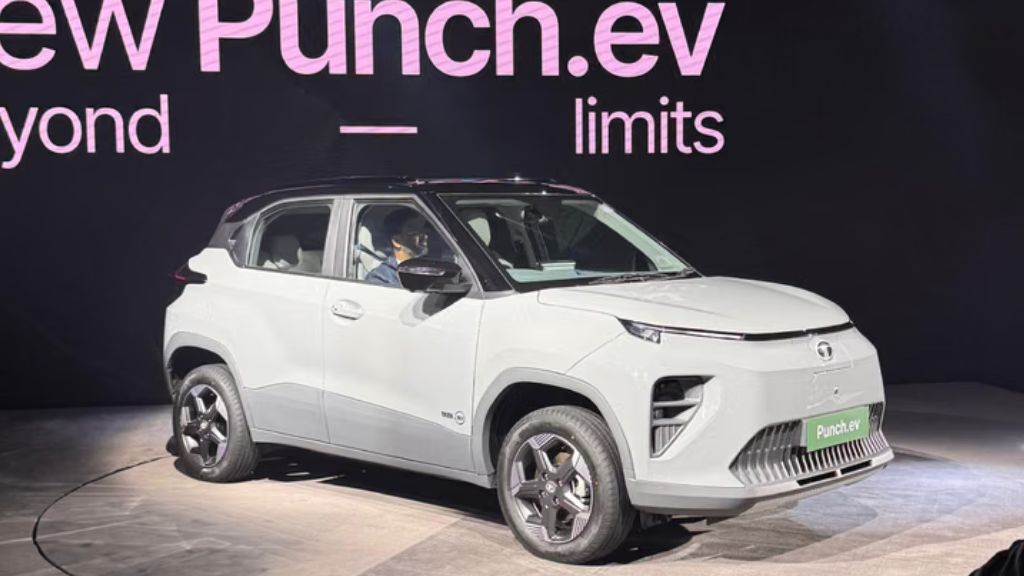
To be honest, the Tata Punch EV Facelift feels like a smart evolution rather than a risky experiment. That’s a good thing.
If Tata improves range slightly, upgrades the cabin properly, and keeps pricing sensible, this could easily become one of the most practical electric SUVs in India.
If you’re planning to switch to electric but don’t want something too big or too expensive, I genuinely think this is one car worth watching closely.
2 thoughts on “Tata Punch EV Facelift 2026 – Expected Price, Range, Features, Launch Date & Full Details”