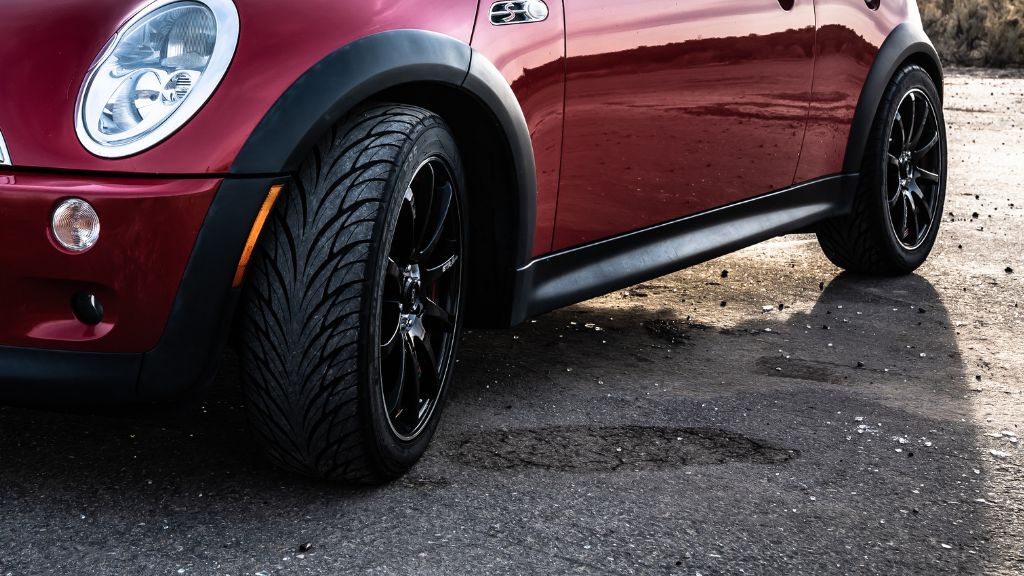
If there’s one thing that directly affects how safe your drive is, it’s your tyres. Seriously. Most car owners in India spend hours researching their next phone upgrade but barely five minutes thinking about what’s actually keeping their car on the road. I’ve seen it happen too many times — people change their engine oil on schedule, get the AC serviced, but run on worn-out tyres for months without a second thought.
This guide is for anyone who wants to make a genuinely informed tyre decision in 2026 — whether you’re buying for a compact hatchback in city traffic, a sedan doing long highway runs, or an SUV that sees a mix of both.
Why Tyres Matter More Than You Think
Your car’s entire weight, braking force, and steering response passes through four small patches of rubber touching the road. That’s it. Those four contact patches — each roughly the size of your palm — determine whether you stop in time during sudden braking, whether you maintain control on a wet road, and how comfortable your daily commute actually feels.
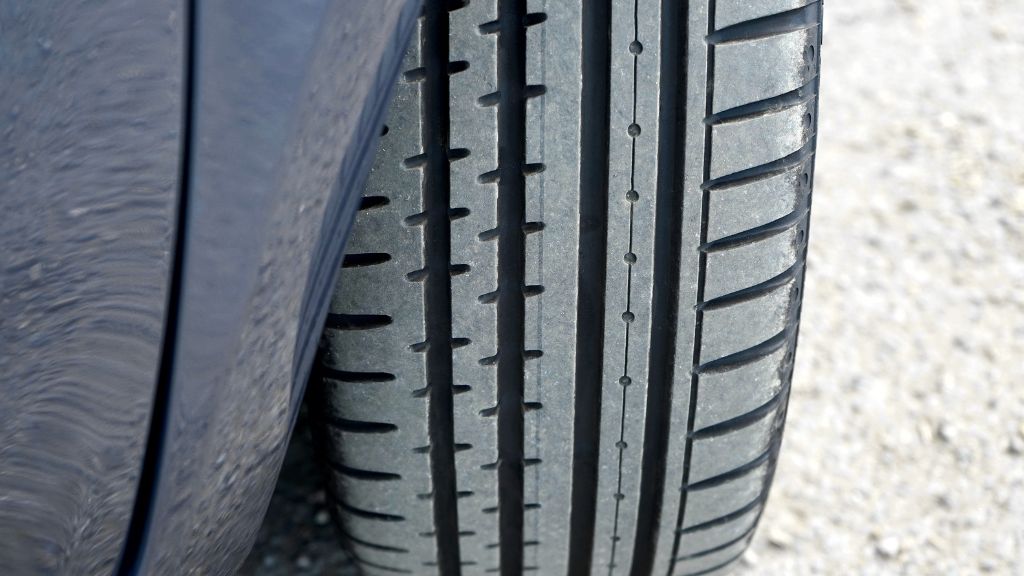
Bad tyres don’t just wear faster. They genuinely compromise safety. And in Indian driving conditions — potholes, monsoon roads, stop-and-go traffic — the demands on tyres are significantly higher than in many other countries.
Top Tyre Brands in India 2026 — Honest Breakdown
1. MRF Tyres
MRF remains the most trusted name for most Indian buyers, and honestly, the reputation is earned. Their ZV2K and ZVTV range for hatchbacks and sedans offer solid performance across wet and dry surfaces. The rubber compound is specifically optimized for Indian heat, which matters more than most international reviews will tell you. Typical pricing for a 165/65 R14 for cars like Swift or WagonR falls in the Rs. 2,800 to Rs. 3,400 range per tyre.
2. Apollo Tyres
Apollo has really stepped up quality in the last few years. Their Amazer and Apterra range for SUVs in particular gets strong reviews from highway drivers. The sidewall strength is noticeably better than some budget alternatives, and for cars that carry full loads regularly, that matters. Price range is broadly similar to MRF — sometimes marginally cheaper.
3. CEAT Tyres
CEAT is a strong choice if you’re prioritizing wet-road grip, especially during monsoons. Their Fuelsmart and Milaze X ranges get high marks for fuel efficiency ratings too, which is a genuinely useful consideration. If you’re driving in coastal cities or areas that flood regularly, CEAT’s wet-road performance makes it worth considering over more expensive options.
4. Bridgestone
The premium choice, and the price reflects it. Bridgestone’s Turanza and Ecopia ranges are excellent for anyone who does significant highway driving and wants a quieter, more refined ride. The longevity is usually better — expect 5 to 10 percent more kilometres per set in ideal conditions. The per-tyre cost is higher, but the cost per kilometre can actually work out comparable.
5. Michelin
Michelin sits at the top of the pricing pyramid and is mainly relevant for luxury car owners or those who prioritize ride quality above everything else. For everyday Maruti, Hyundai, or Tata car owners, the price premium is hard to justify over MRF or Apollo.
Tyre Size Guide — How to Read That Code on Your Tyre
You’ve probably seen something like 185/65 R15 88H on the sidewall and ignored it. Here’s what it actually means:
- 185 — Tyre width in millimetres
- 65 — Aspect ratio (height of sidewall as percentage of width)
- R15 — Rim diameter in inches
- 88 — Load index (how much weight the tyre can carry)
- H — Speed rating (up to 210 km/h in this case)
Always match the tyre size recommended by your car manufacturer — it’s in your owner’s manual and usually on a sticker inside the driver’s door frame. Going up or down in size without understanding the implications can affect fuel efficiency, handling, and even odometer accuracy.
When Should You Actually Replace Your Tyres?
Most car owners in India replace tyres either when they go completely flat or when someone at the petrol station or mechanic points it out. Neither is ideal. Here’s what to watch for:
- Tread depth below 1.6mm — this is the legal minimum in most countries and a genuine safety threshold. The old coin test works: insert a one-rupee coin into the tread groove. If you can see the entire outer rim of the coin, it’s time to replace.
- Cracks or bulges in the sidewall — these indicate internal damage and mean immediate replacement, not ‘we’ll see next month.’
- Persistent vibration that wasn’t there before — can indicate internal damage or severe imbalance.
- Age — even if the tread looks fine, tyres older than five years deserve a professional inspection. After seven years, replace regardless of appearance.
- After any significant impact — hitting a deep pothole hard enough to feel it in your spine warrants a tyre inspection.
Nitrogen vs Air — Is the Extra Cost Worth It?
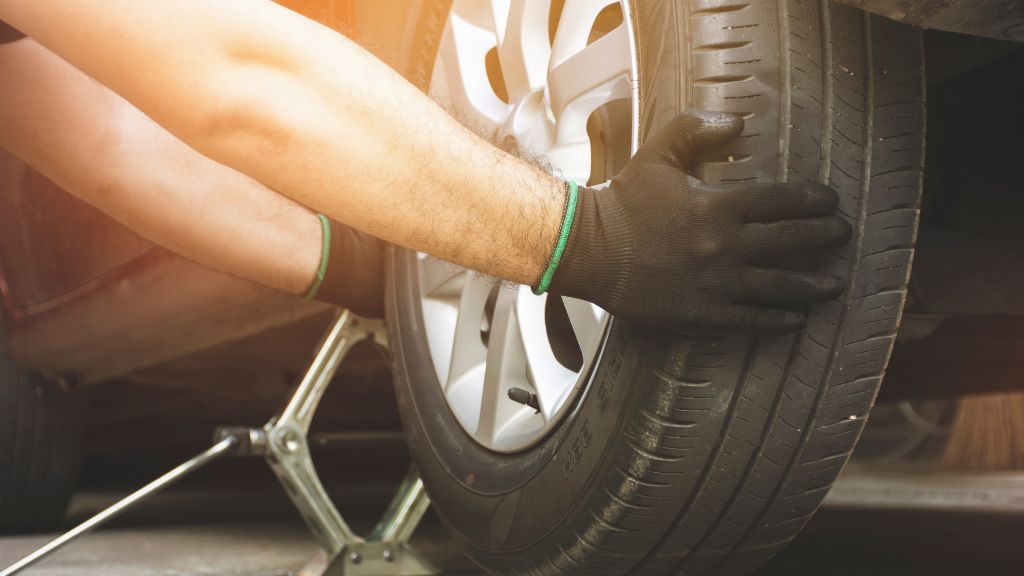
Many garages in India now offer nitrogen filling for tyres at a small premium over regular air. The actual benefits in everyday Indian driving are marginal at best. Nitrogen does maintain pressure slightly more consistently and runs fractionally cooler under highway conditions, but the difference in practical terms for city and mixed driving is minimal. Regular air with proper monthly pressure checks will serve you equally well for 95 percent of Indian drivers.
Best Tyres by Car Category — Quick Reference
Hatchbacks (Alto, WagonR, Swift, i10): MRF ZV2K or CEAT Milaze X. Both offer great value for money and handle Indian city roads well.
Sedans (Dzire, Amaze, City): Apollo Amazer 4G or Bridgestone Ecopia if you do regular highway runs.
Compact SUVs (Brezza, Venue, Nexon): MRF ZVTV or Apollo Apterra HP2. Good balance of grip and longevity.
Larger SUVs (Creta, Seltos, Fortuner): Bridgestone Dueler or Michelin Primacy for on-road focus. CEAT Czar AT for mixed terrain.
Final Thoughts
Choosing tyres doesn’t have to be complicated, but it does deserve more attention than most car owners give it. Match the right brand and compound to how you actually drive — not to what sounds most impressive. For most everyday Indian drivers, MRF or Apollo gives you excellent safety and value. If you’re doing serious highway distances or want a noticeably better ride, Bridgestone is worth the extra spend.
Change your tyres before they become a safety issue, not after. Your braking distance, fuel efficiency, and frankly your life depend on those four patches of rubber more than almost anything else on your car.