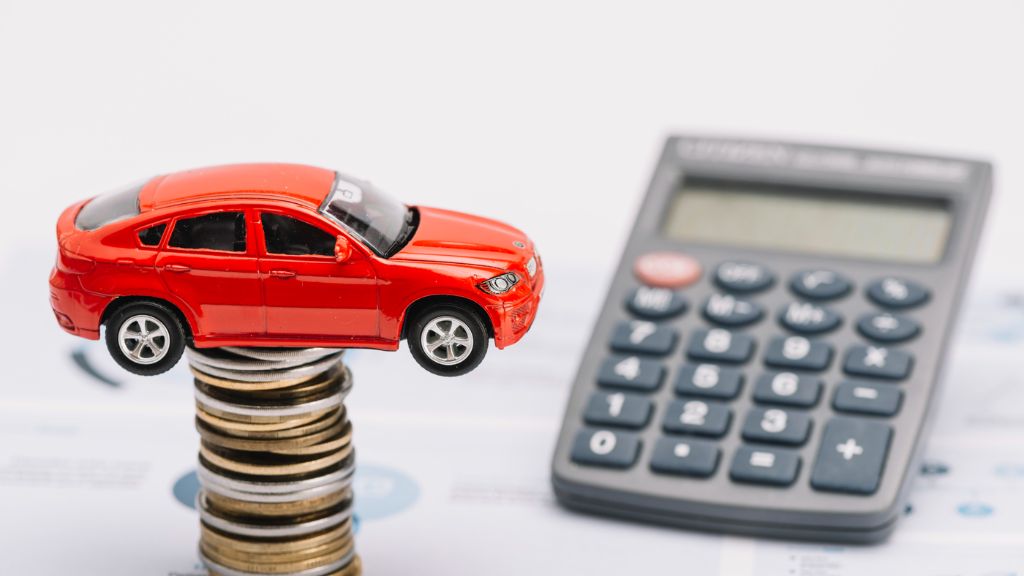
Buying a car on loan is how the vast majority of Indian car purchases work. According to industry data, over 75 percent of new cars sold in India are financed. Which means for most buyers, the cost of the loan — the interest you pay over 3 to 7 years — is just as important as the sticker price of the car itself.
Here is a number that should get your attention: on a ₹10 lakh car loan at 10% interest for 7 years, you will pay approximately ₹4.5 lakh in interest alone. That is nearly half the car’s value going straight to the bank. On the other hand, if you reduce the interest rate by even 1.5 percent or reduce the loan tenure by 2 years, you could save ₹60,000 to ₹1.5 lakh over the life of the loan.
The good news: getting a better interest rate is entirely within your control if you know what to do. This guide shows you exactly how.

1. How Car Loan EMI Is Calculated
EMI (Equated Monthly Instalment) is calculated using the following formula:
EMI = [P × R × (1+R)^N] ÷ [(1+R)^N – 1]
Where P = Principal loan amount, R = Monthly interest rate (annual rate ÷ 12 ÷ 100), N = Number of monthly instalments (tenure in months)
Rather than calculating this manually, let us look at practical EMI examples for common car prices:
| Loan Amount | Interest Rate | 3 Years EMI | 5 Years EMI | 7 Years EMI | Total Interest (7yr) |
| ₹5 Lakh | 8.5% | ₹15,772 | ₹10,254 | ₹7,986 | ₹1.71L |
| ₹7 Lakh | 8.5% | ₹22,081 | ₹14,356 | ₹11,180 | ₹2.39L |
| ₹10 Lakh | 9% | ₹31,800 | ₹20,758 | ₹16,089 | ₹3.51L |
| ₹10 Lakh | 10.5% | ₹32,596 | ₹21,494 | ₹16,803 | ₹4.10L |
| ₹15 Lakh | 9% | ₹47,700 | ₹31,137 | ₹24,134 | ₹5.27L |
| ₹20 Lakh | 9% | ₹63,600 | ₹41,516 | ₹32,178 | ₹7.03L |
Key insight: On a ₹10 lakh loan, the difference between 9% and 10.5% interest rate over 7 years is ₹59,000. That is nearly ₹60,000 that could stay in your pocket simply by negotiating a better rate or choosing the right lender.
2. Car Loan Interest Rates: Bank Comparison 2026
| Bank / Lender | Interest Rate (2026) | Max Tenure | Special Features |
| SBI Car Loan | 8.65%–9.50% | 7 years | Lowest rate for govt employees |
| HDFC Bank | 8.75%–10.00% | 7 years | Fast 30-min approval, wide dealer network |
| ICICI Bank | 8.90%–10.50% | 7 years | Best for self-employed applicants |
| Axis Bank | 8.75%–10.25% | 7 years | Good for existing Axis account holders |
| Kotak Mahindra | 8.99%–11.00% | 5 years | Quick digital process |
| Bajaj Finance | 9.25%–12.00% | 7 years | Good for lower CIBIL scores |
| Manufacturer Finance | Varies (often 0%) | 5 years | 0% offers on specific models — read fine print |
3. How to Get the Lowest Car Loan Interest Rate
Interest rates are not fixed. They are negotiated, and knowing these levers gives you real power:
Maintain a High CIBIL Score
Your CIBIL score is the single biggest factor determining your interest rate. A score above 750 qualifies you for the best available rates. A score below 650 will result in either loan rejection or significantly higher rates. Check your CIBIL score for free at CIBIL’s website before applying. If your score is below 700, spend 3 to 6 months improving it by clearing outstanding dues and reducing credit card utilisation before applying for the car loan.
Get Pre-Approved Before Visiting the Showroom
Most car buyers make the mistake of first choosing the car and then arranging finance through the dealer. Dealers earn commission from finance companies and will steer you toward arrangements that benefit them. Instead, get pre-approved for a car loan from your preferred bank before visiting the showroom. Walk in with your own financing arranged and you have two advantages: you know exactly your budget, and you can use your own loan offer to negotiate better terms if the dealer offers to beat it.
Choose the Right Tenure
Longer tenure means lower EMI but significantly more total interest paid. Shorter tenure means higher EMI but you save lakhs in total interest. The optimal tenure depends on your cash flow. If you can comfortably afford a 3 to 5 year EMI, do not stretch to 7 years just to reduce the monthly amount. The interest savings are substantial.
Make a Higher Down Payment
Every rupee you pay upfront is a rupee on which you do not pay 9 to 10 percent annual interest for the next 5 to 7 years. A 30 to 40 percent down payment instead of the typical 15 to 20 percent significantly reduces your total loan cost and also often qualifies you for better interest rates since it reduces the lender’s risk.
Watch Out for 0% EMI Schemes
0% EMI offers from manufacturers are almost never truly 0% interest. The financing cost is usually hidden in the form of a higher on-road price, reduced dealer discount, or an upfront processing fee that effectively builds the interest into the total amount. Always compare the total cost under a 0% scheme against what you would pay with a regular bank loan plus a standard dealer discount.
4. Prepayment: How to Save Lakhs on Your Existing Car Loan
If you already have a car loan running, prepayment is one of the smartest financial moves you can make. Prepaying your loan in the early years has a disproportionately large impact because most of your EMI in the initial period goes toward interest rather than principal repayment.
- Make a lump-sum prepayment of even ₹50,000 to ₹1,00,000 in the first 2 years of a car loan and you can reduce your effective interest payment by ₹30,000 to ₹80,000 depending on the loan amount
- Most banks charge a prepayment penalty of 2 to 3 percent on the prepaid amount — check your loan agreement. Even with the penalty, prepayment is usually financially beneficial
- After prepayment, always request a new amortisation schedule from the bank to confirm the revised tenure or revised EMI
5. FAQs: Car Loan India
A: Most banks require a minimum CIBIL score of 700–720 for car loan approval. The best interest rates (8.65–9%) are offered to applicants with scores of 750 and above. Below 650, you are likely to face rejection from mainstream banks, though NBFCs may approve loans at higher rates.
A: Choose the shortest tenure where the EMI is comfortable for your monthly budget. The interest savings from a 3-year loan vs a 7-year loan on ₹10 lakh at 9% interest is approximately ₹1.8 lakh. Every year you shorten your tenure saves meaningful money.
6. Final Summary
Car finance in India is a market where being informed saves you real, significant money. The difference between a buyer who takes whatever rate the dealer offers versus a buyer who comes prepared with a pre-approved loan, a good CIBIL score, and a willingness to compare lenders can easily be ₹1 to ₹2 lakh over the life of the loan.
Check your CIBIL score now. Get pre-approved before you visit the showroom. Compare at least 3 lenders. Make the highest down payment your budget allows. And choose the shortest tenure your monthly cash flow can support. Follow these five steps and you will save significantly on your next car purchase.