
The used car market in India is a goldmine — and a minefield. A well-chosen second-hand car can save you 30 to 50 percent compared to a new car while giving you significantly more features and build quality for the same money. But the same market also has sellers who know exactly what you do not know, and they will use that knowledge gap to offload cars with hidden problems onto unsuspecting buyers.
I am not trying to scare you. I am trying to prepare you. Because the truth is, buying a genuinely good used car in India is absolutely possible — but only if you do your homework. Most people who get burned in the used car market cut corners on the inspection or got emotionally attached to a specific car before checking it properly.
This guide gives you a complete, honest checklist that covers everything from exterior inspection to legal verification to negotiation tactics. Go through it before you buy any used car, regardless of whether you are buying from a dealer, a friend, or an online platform.
1. Step 1: Set the Right Budget
Before you even start looking at cars, define your budget clearly. Your budget should include not just the purchase price but also the cost of any repairs or refurbishment the car needs, RC transfer fees (which vary by state but are typically ₹500 to ₹2,000), insurance transfer or new policy cost, and any immediate service requirements.
A common and expensive mistake is falling in love with a car at the top of your budget, then discovering it needs ₹30,000 to ₹50,000 in repairs. Always keep 10 to 15 percent of your budget in reserve for post-purchase expenses.

2. Step 2: Choose Your Research Platform Wisely
There are several ways to find used cars in India, each with different risk profiles:
- Certified Pre-Owned (CPO) programs from manufacturers: Maruti True Value, Hyundai H-Promise, Tata Motors Used Cars. These cars have been inspected and certified, come with limited warranty, and are priced slightly higher. Best option for buyers who want peace of mind and are willing to pay a small premium.
- Aggregator platforms: Cars24, Spinny, OLX, CarDekho. Wider selection, but quality varies significantly. Cars24 and Spinny have their own inspection and refurbishment process which adds some reliability. OLX is direct seller-to-buyer and requires the most due diligence.
- Local dealers: Higher negotiation potential but also higher risk of hidden issues. Visit multiple dealers and never trust a single dealer’s assessment of a car’s condition.
- Direct from owner: Potentially the best deals but requires the most inspection effort. Always insist on meeting the actual registered owner.
3. Step 3: The Physical Inspection Checklist
This is the most critical part of buying a used car. Never buy a car without a thorough physical inspection, ideally with an independent mechanic you trust. Here is what to check:
Exterior Inspection
- Check for paint colour variations across different body panels — inconsistent shades indicate repainted sections from accident repairs
- Run your fingers along panel gaps between doors, bonnet, boot lid, and fenders. Uneven gaps suggest accident damage and poor repair
- Look for rust, especially along the bottom edges of doors, wheel arches, and under the car
- Check all glass for chips, cracks, and whether it is OEM (original manufacturer glass has the manufacturer’s name etched on it)
- Inspect all tyres for uneven wear — edge wear indicates alignment issues, centre wear indicates over-inflation, and one-sided wear suggests suspension problems
Engine and Mechanical Inspection
- Start the engine cold (insist that the seller does not warm it up before you arrive). Cold starts reveal issues that a warm engine hides
- Look for blue or white smoke from the exhaust on startup — blue smoke indicates burning oil, white smoke suggests a coolant leak
- Check the engine bay for oil leaks, coolant leaks, and any sign of improper repair or replaced components
- Look at the engine oil on the dipstick — milky or frothy oil indicates a blown head gasket (major, expensive repair)
- Check the coolant reservoir — it should be clear or light green, not brown or murky
Interior Inspection
- Test every electrical component: all windows, AC, all lights, infotainment system, all speakers, power steering, parking sensors, and camera if equipped
- Check seat upholstery for tears, stains, and unusual odours (musty smell may indicate flood damage)
- Check the boot floor for rust or signs of water ingress
- Test all door locks from both inside and outside
Test Drive
Never, ever skip the test drive. Drive it in both city conditions (stop and go) and at highway speed if possible. Listen for:
- Any unusual sounds from the engine, suspension, or brakes
- Vibration through the steering wheel at certain speeds (wheel balance issues)
- Car pulling to one side under braking or straight-line driving (alignment or brake issues)
- Transmission smoothness — any jerking, slipping, or delay in gear engagement
4. Step 4: Legal and Documentation Verification
A car can look and drive perfectly but have legal issues that make ownership a nightmare. This step is non-negotiable.
- Verify the chassis number (VIN) and engine number match exactly with the RC book — mismatch is a serious red flag
- Check for any outstanding loans (hypothecation) against the vehicle using the Vahan portal (vahan.parivahan.gov.in)
- Verify the car has no pending challans (traffic fines) using your city’s traffic police portal
- Check insurance validity and whether it is a comprehensive or third-party only policy
- Verify pollution (PUC) certificate validity
- For cars over 15 years old, check whether the registration is eligible for renewal in your state (some states have restrictions on older petrol/diesel vehicles)
5. Step 5: Get an Independent Inspection
This is the step most buyers skip to save time, and it is almost always a mistake. Spend ₹500 to ₹1,500 and have a trusted independent mechanic — not the seller’s mechanic — inspect the car on a lift. An experienced mechanic can spot suspension wear, underbody rust, oil leaks, and other issues that even a careful visual inspection from above will miss.
Real talk: A ₹1,000 independent inspection has saved buyers from purchasing cars with ₹60,000 to ₹1,50,000 worth of hidden problems. It is the best money you will spend in the entire used car buying process.
6. Step 6: Negotiate the Price
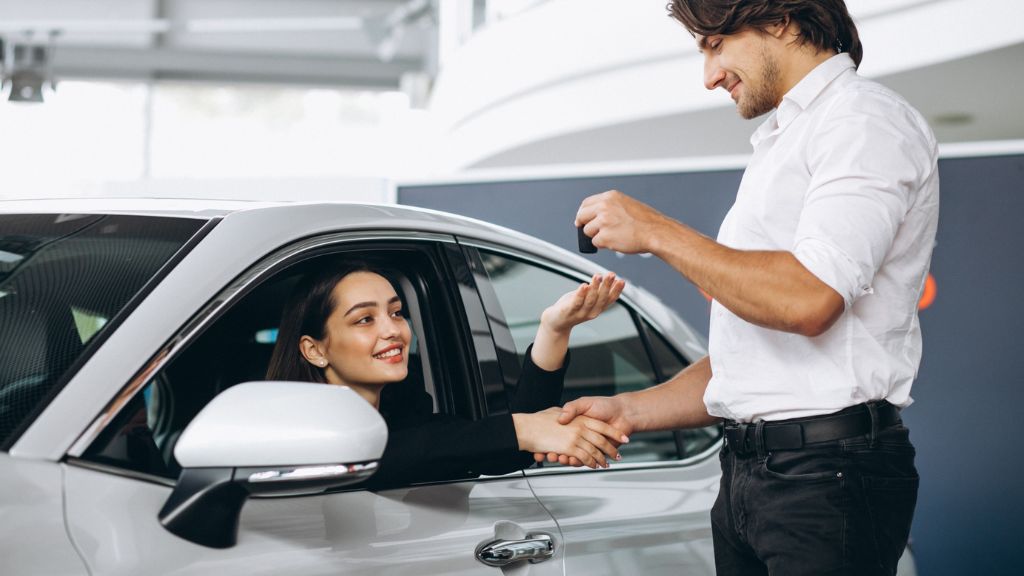
Once you have your independent inspection report, you have real negotiating leverage. Every issue found — worn tyres, brake pads that need replacement, minor rust, any mechanical concern — is a reason to reduce the asking price.
Research the market price for the specific model, year, and variant on multiple platforms before negotiating. A car priced 10 percent below market for its condition is a good deal. A car priced significantly below market almost always has hidden issues.
- Start your offer 10 to 15 percent below your target price to give yourself negotiating room
- Use specific repair cost estimates from your mechanic to justify price reduction requests
- Be willing to walk away. There are always other cars. The seller who refused to negotiate often calls back within a day or two.
7. RC Transfer: The Final Critical Step
RC transfer (transferring the vehicle registration to your name) is legally required within 30 days of purchase for same-state transfers and 45 days for out-of-state purchases. Failing to transfer the RC means you are legally driving a vehicle not registered in your name, which creates insurance complications and legal liability.
RC transfer is done at your local RTO. You need Form 29 and Form 30 (both signed by the seller), original RC book, your address proof and ID proof, insurance documents, and payment of transfer fees. Alternatively, several services like Cars24 and RTO agents handle the entire transfer process for a fee.
8. FAQs: Buying a Used Car India
A: It can be, but it requires significantly more due diligence than buying from a certified platform. Always meet the actual registered owner, insist on all original documents, conduct a full Vahan portal check, and get an independent mechanical inspection before paying any money.
A: Check for paint inconsistencies across panels, uneven body panel gaps, and use platforms like CarInfo or similar apps that pull insurance claim history. An independent mechanic on a lift can also identify welded or repaired structural components that indicate major accident damage.
9. Final Checklist Summary
- Set your complete budget including transfer and repair reserves
- Research market value on multiple platforms
- Inspect exterior, engine, interior, and take a thorough test drive
- Verify all documents and run Vahan portal check for hypothecation and challans
- Get independent mechanic inspection
- Negotiate using inspection findings
- Complete RC transfer within 30 days of purchase

1 thought on “How to Buy a Used Car in India Without Getting Cheated: The Complete 2026 Checklist”