
Engine oil is arguably the single most important consumable in your car. It lubricates hundreds of moving metal parts inside your engine, prevents overheating, reduces corrosion, and keeps contaminants suspended until the next oil change. Yet most Indian car owners either use whatever the mechanic recommends without question, or simply ask for “the usual oil” at the service centre without knowing what they are actually getting.
Choosing the wrong engine oil for your car can cost you. It can mean faster engine wear, reduced mileage, sluggish cold starts during winter months, or worse — expensive engine damage over time. Choosing the right oil, on the other hand, can extend your engine’s life, improve mileage by 1 to 3 percent, and give you noticeably smoother performance.
In this guide, we are going to cut through the confusion and give you a clear, honest answer on what engine oil you should be using in your specific car in India in 2026.
1. Why Engine Oil Grade Matters More Than Brand

Before we talk about brands, we need to talk about grades. Every engine is designed to work with a specific oil viscosity range. Using an oil that is too thick (high viscosity) increases internal friction and reduces mileage. Using oil that is too thin (low viscosity) may not provide sufficient lubrication under high load and heat.
The grade on your engine oil tells you its viscosity behaviour. You have seen numbers like 5W-30, 10W-40, or 0W-20 on oil containers. Here is what they mean:
The number before ‘W’ indicates the oil’s flow at cold temperatures (W stands for Winter). Lower numbers mean the oil flows better at cold temperatures, making cold starts easier and reducing engine wear during the critical first few seconds of starting. The number after ‘W’ indicates the oil’s viscosity at high operating temperatures. Higher numbers indicate thicker oil at running temperature.
Simple rule: Always use the exact oil grade recommended in your car’s owner manual. This is the most important decision you can make about engine oil — more important than brand.
2. Synthetic vs Mineral vs Semi-Synthetic: What Is the Actual Difference?
Mineral Engine Oil
Mineral oil is refined directly from crude petroleum. It is the most basic form of engine oil and has been the standard for decades. In Indian conditions — with extreme summer temperatures regularly crossing 45°C and highly varied driving conditions — mineral oil has some real limitations. It breaks down more quickly at high temperatures, requires more frequent changes (typically every 5,000 to 7,500 km), and provides less consistent viscosity across the temperature range.
Mineral oil is appropriate for older engines (typically pre-2005 cars) that were designed to run on it, and for cars that are used lightly and serviced very regularly. It is the cheapest option — typically ₹200 to ₹350 per litre.
Fully Synthetic Engine Oil
Fully synthetic oil is chemically engineered from scratch, not simply refined from crude oil. This gives it significantly better properties: it maintains stable viscosity across a much wider temperature range, flows more easily at cold start (reducing engine wear in the first critical seconds), lasts significantly longer between changes (10,000 to 15,000 km or more), and provides measurably lower engine friction.
In Indian conditions, fully synthetic oil is particularly beneficial because of the extreme temperature swings — cold winter mornings and scorching summer afternoons — that mineral oil handles less efficiently. The mileage benefit from reduced internal friction is real and measurable. Fully synthetic oil costs ₹450 to ₹900 per litre depending on grade and brand.
Semi-Synthetic (Synthetic Blend) Engine Oil
Semi-synthetic oil is exactly what it sounds like — a blend of mineral and synthetic base stocks. It offers better performance than pure mineral oil at a lower cost than fully synthetic. It is a solid middle-ground choice for cars that do moderate daily city driving. Service interval is typically 7,500 to 10,000 km. Cost is ₹300 to ₹500 per litre.
3. Which Oil Grade Is Right for Your Car?
| Car Type | Recommended Grade | Oil Type | Change Interval |
| Most modern petrol cars (2015+) | 5W-30 | Fully Synthetic | 10,000–15,000 km |
| Small petrol hatchbacks (pre-2015) | 10W-30 or 10W-40 | Semi-Synthetic | 7,500 km |
| Diesel cars (BS6, 2020+) | 5W-30 or 0W-30 | Fully Synthetic | 10,000–15,000 km |
| Diesel cars (older, pre-2020) | 15W-40 | Mineral or Semi | 5,000–7,500 km |
| CNG cars | 10W-30 or 5W-30 | Semi or Fully Synthetic | 5,000 km |
| High performance / Turbo cars | 5W-40 or 0W-40 | Fully Synthetic | 7,500–10,000 km |
4. Best Engine Oil Brands in India 2026 — Honest Review
1. Castrol EDGE — Best Overall Fully Synthetic
Castrol EDGE is consistently one of the best-selling and most trusted fully synthetic engine oils in India. Available in 5W-30 and 5W-40 grades, it uses Castrol’s Fluid Titanium Technology which provides excellent protection under high-load conditions. It is the recommended fill for many European and Japanese car brands sold in India. Price: approximately ₹680 to ₹780 per litre.
2. Mobil 1 — Best for High-Performance and Turbo Engines
Mobil 1 is used as factory fill by several premium car manufacturers globally, including Mercedes-Benz and Porsche. In India, it is available in 5W-30, 5W-40, and 0W-40 grades. For turbo engines (Hyundai Venue Turbo, VW Polo GT, Kia Seltos Turbo), Mobil 1 is an excellent choice because turbo engines run at significantly higher temperatures and require oil that maintains viscosity under extreme heat. Price: approximately ₹750 to ₹900 per litre.
3. Castrol GTX — Best Semi-Synthetic for Budget-Conscious Buyers
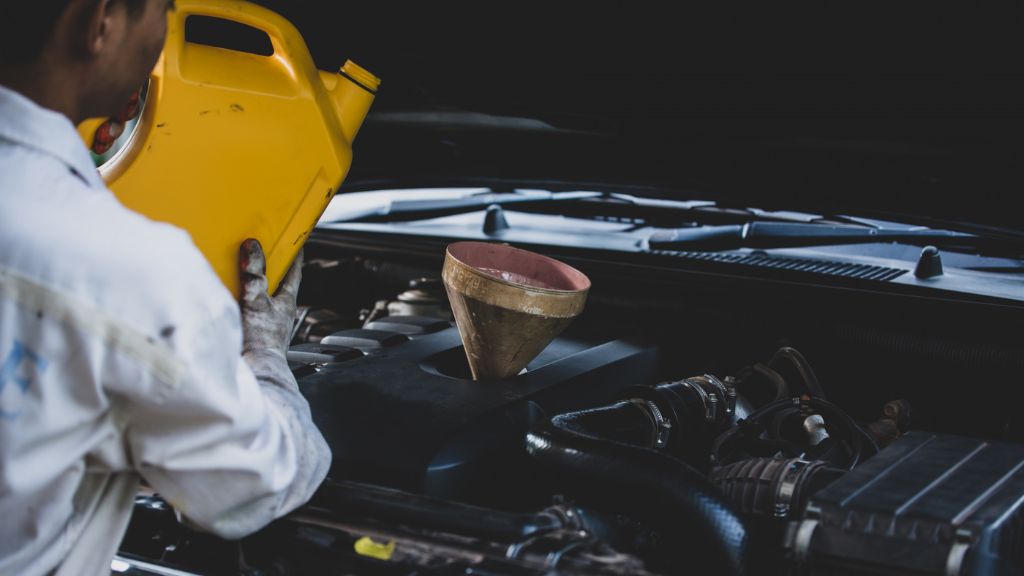
Castrol GTX is a semi-synthetic oil that offers solid performance at a more accessible price point. It is widely available across India at authorised service centres and auto parts shops. Suitable for most non-turbo petrol cars doing moderate city driving. Price: approximately ₹350 to ₹420 per litre.
4. Shell Helix — Best for Diesel Cars
Shell Helix Ultra is particularly well regarded for modern BS6 diesel engines. Its Active Cleansing Technology helps prevent the carbon and sludge buildup that diesel engines are more prone to. Available in 5W-30 and 5W-40 grades. Price: approximately ₹650 to ₹750 per litre.
5. Gulf Pride 4T / Gulf Formula G — Best Value Fully Synthetic
Gulf is a widely trusted brand in India with good availability and competitive pricing. Gulf Formula GS 5W-30 is a solid fully synthetic option for buyers who want synthetic quality without the premium Castrol or Mobil pricing. Price: approximately ₹500 to ₹600 per litre.
5. How Often Should You Change Engine Oil in India?
The standard recommendation in owner’s manuals is based on ideal conditions. Indian conditions — city stop-and-go traffic, dusty roads, extreme heat, and frequent short trips where the engine never fully warms up — are harder on engine oil.
- Fully synthetic oil: Change every 10,000 km or 12 months, whichever comes first, under Indian city driving conditions
- Semi-synthetic oil: Change every 7,500 km or 9 months
- Mineral oil: Change every 5,000 km or 6 months
- CNG cars: Change every 5,000 km regardless of oil type — CNG combustion produces more moisture which degrades oil faster
Pro tip: Check your oil level and colour every month. Dip the dipstick — if the oil is black and gritty rather than amber/brown and clear, change it regardless of mileage interval. Dark, contaminated oil is actively harming your engine.
6. FAQs: Engine Oil India
Q: Can I mix synthetic and mineral oil in an emergency? A: Yes, in an emergency top-up situation, mixing oils will not damage your engine. However, it dilutes the performance of the synthetic oil. Change the oil at the earliest opportunity after mixing.
Q: Does the brand of engine oil matter if the grade is the same? A: Yes, but less than most people think. The grade (5W-30, etc.) is the most critical factor. Premium brands like Castrol, Mobil, and Shell use better base stocks and additive packages that provide marginally better performance and cleanliness. For most everyday Indian cars, a reputable mid-tier brand in the correct grade is perfectly adequate.
Q: Is it worth paying extra for fully synthetic oil? A: For any car made after 2010, yes. The extended service interval alone — 10,000 km vs 5,000 km for mineral oil — means you change oil half as often. Combined with the measurable reduction in engine wear and slightly improved mileage, fully synthetic oil is a good financial decision over the life of the car.
7. Final Verdict
For most modern Indian cars — petrol or diesel, bought after 2012 — the recommendation is straightforward: use a fully synthetic oil in the grade specified in your owner’s manual, from a reputable brand like Castrol, Mobil, Shell, or Gulf, and change it every 10,000 km or 12 months, whichever comes first.
Do not use mineral oil in a modern engine just because it is cheaper. The money you save on oil will cost you several times over in accelerated engine wear, lower mileage, and potential expensive repairs down the road.
1 thought on “Best Engine Oil for Car in India 2026: Synthetic vs Mineral vs Semi-Synthetic — The Complete Guide”